
Macro Trend: Garden Society
the Return to True Luxury
Across fashion, design, and culture, there’s a shift away from spectacle and instant gratification toward things that feel more cultivated and grounded. To call it an aesthetic would be to undersell it. Rather this is a philosophy, and the macro trend we call Garden Society.
Garden Society is a conversation around value. What does luxury mean when you strip away the excess? Right now, the answer seems to be: cultivation, craft and patience. What you nurture nurtures you back.
What's striking is how many different creative voices are elevating the essence of garden from completely unique directions.
#1 The Garden as Manifesto: Pamela Anderson's Rules
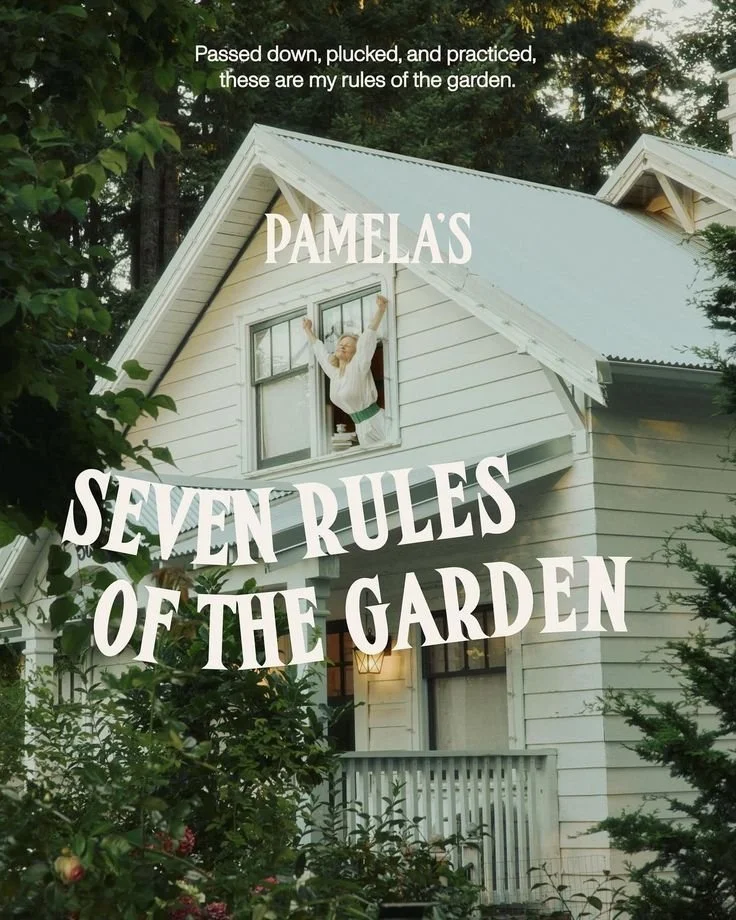
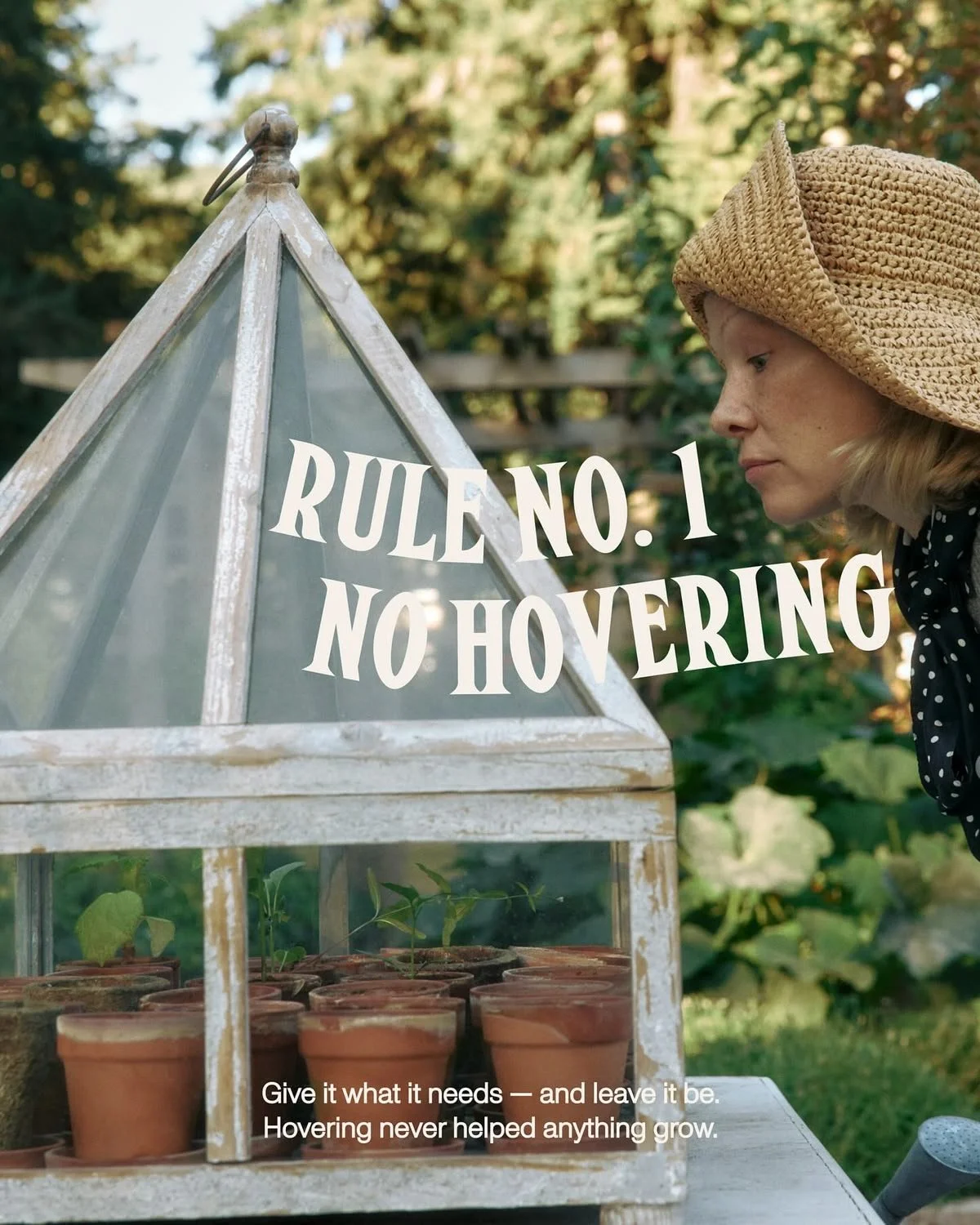
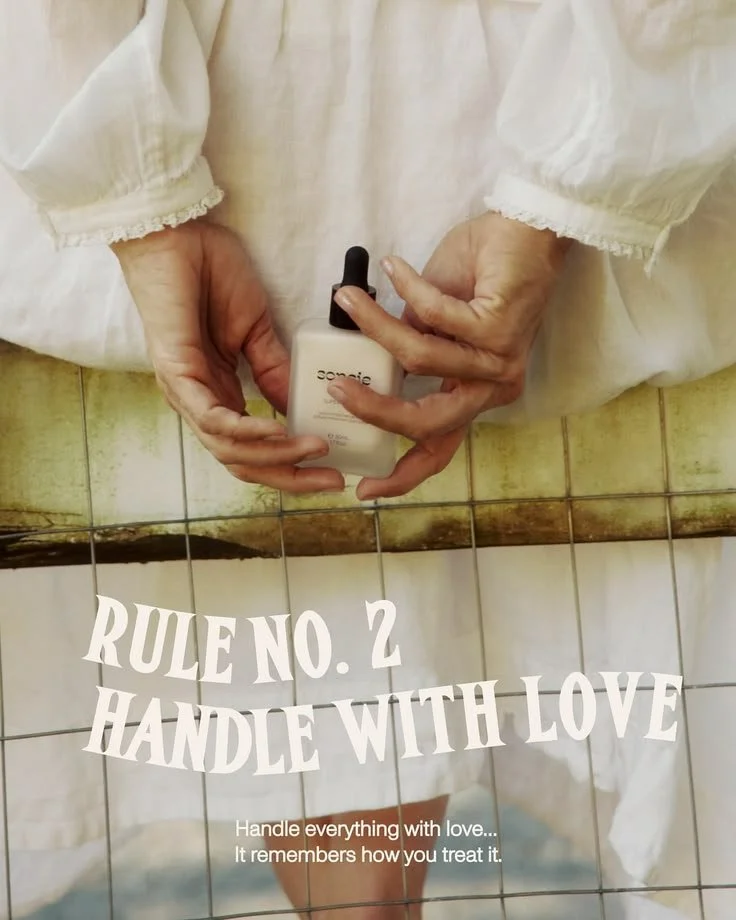
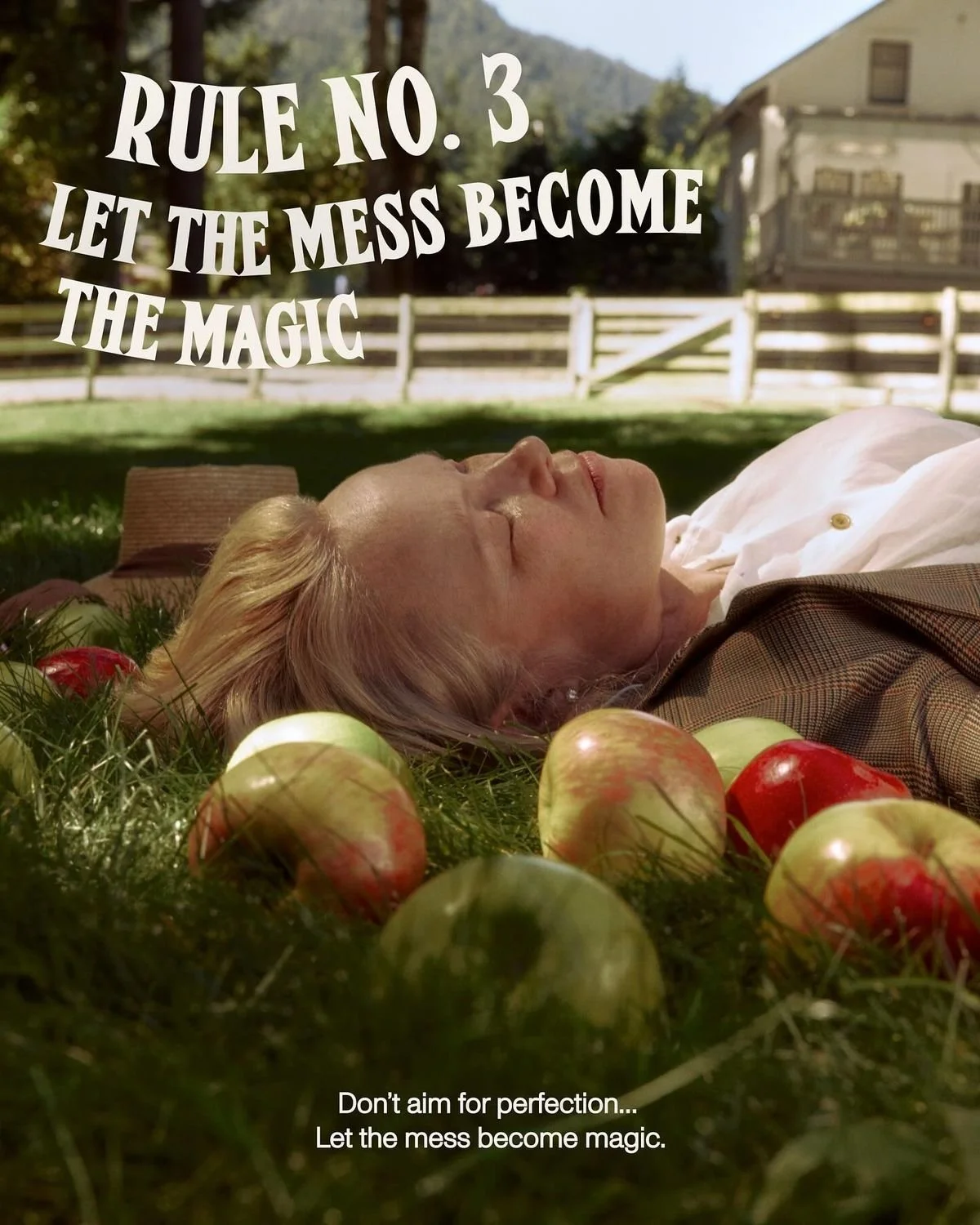
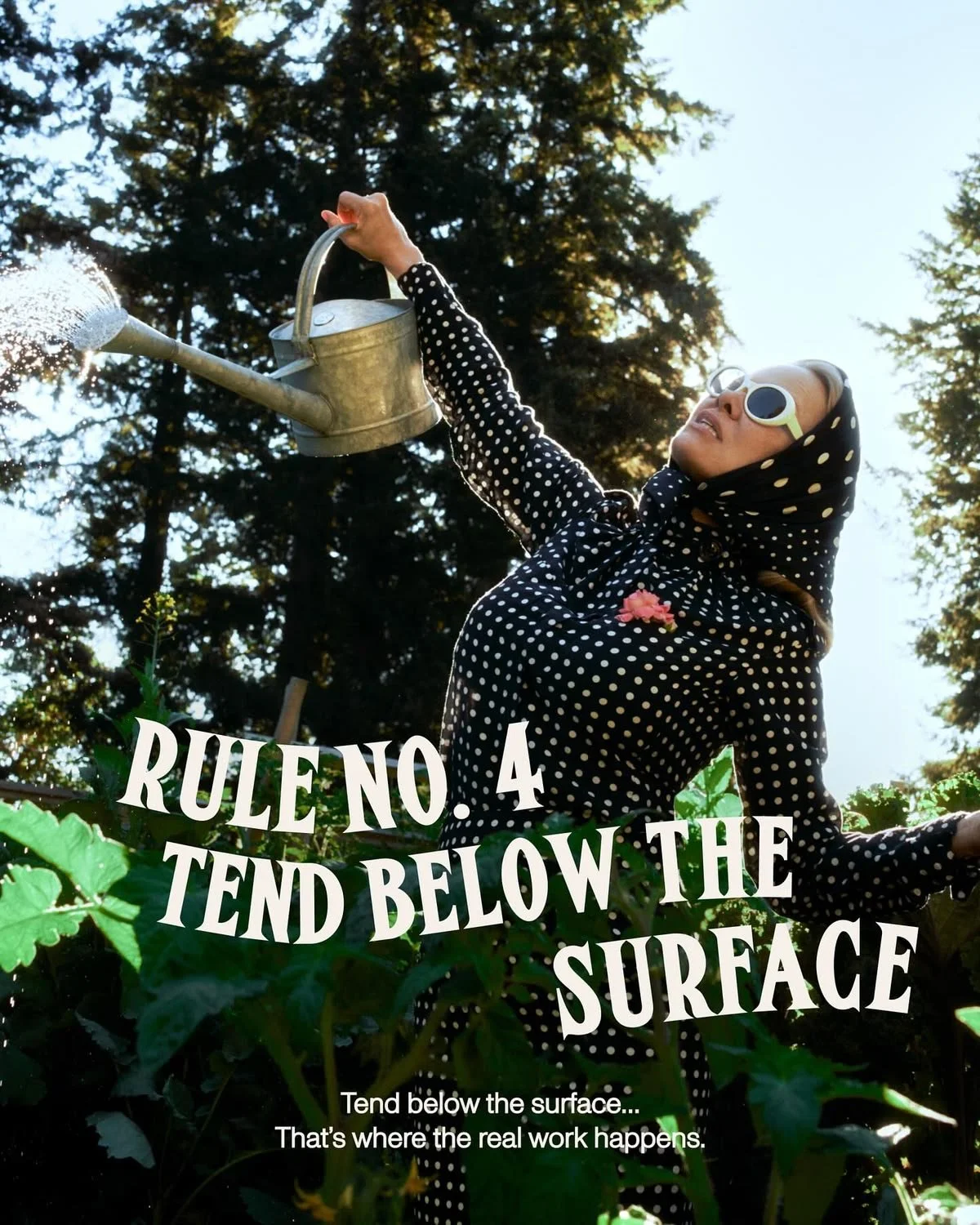
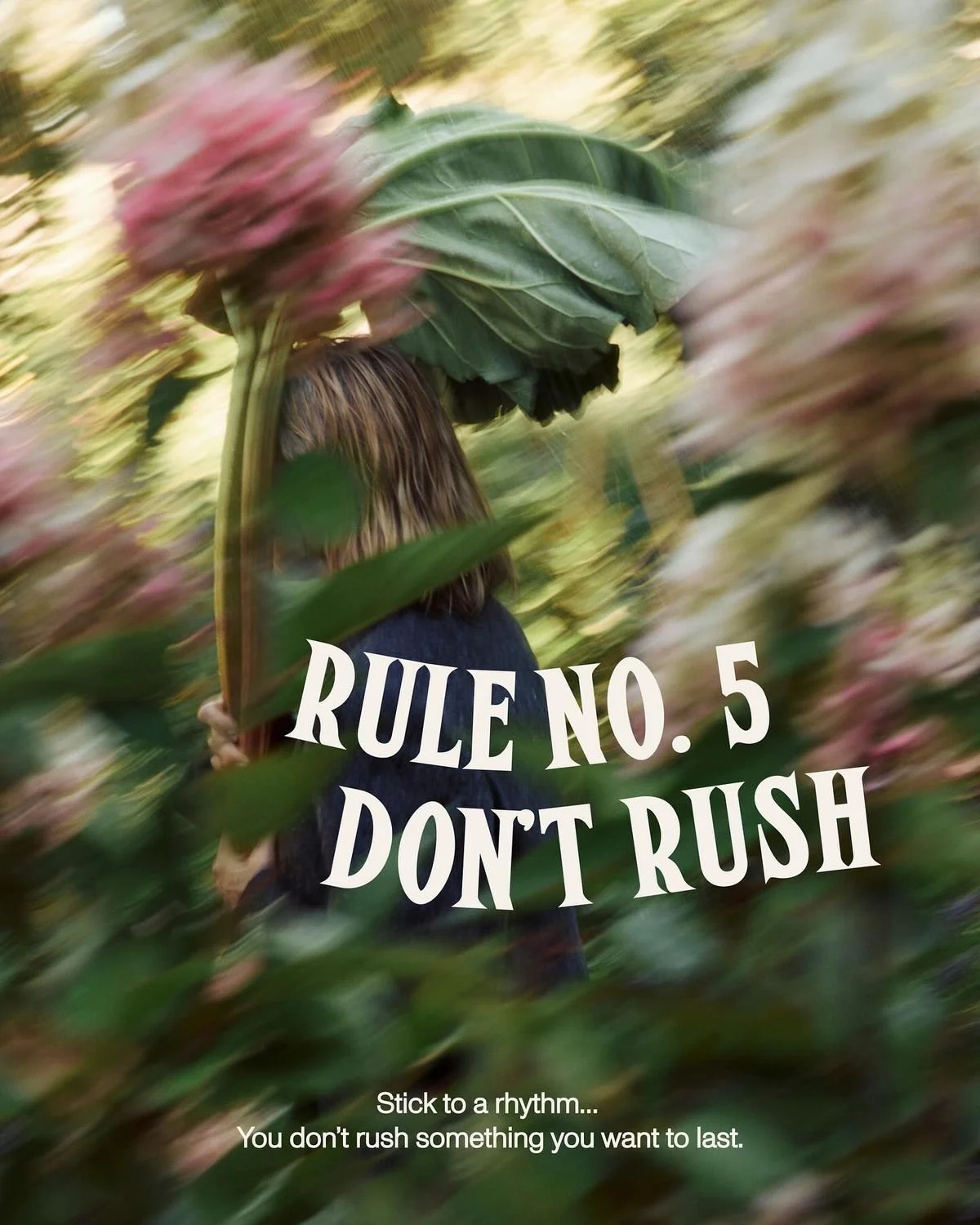
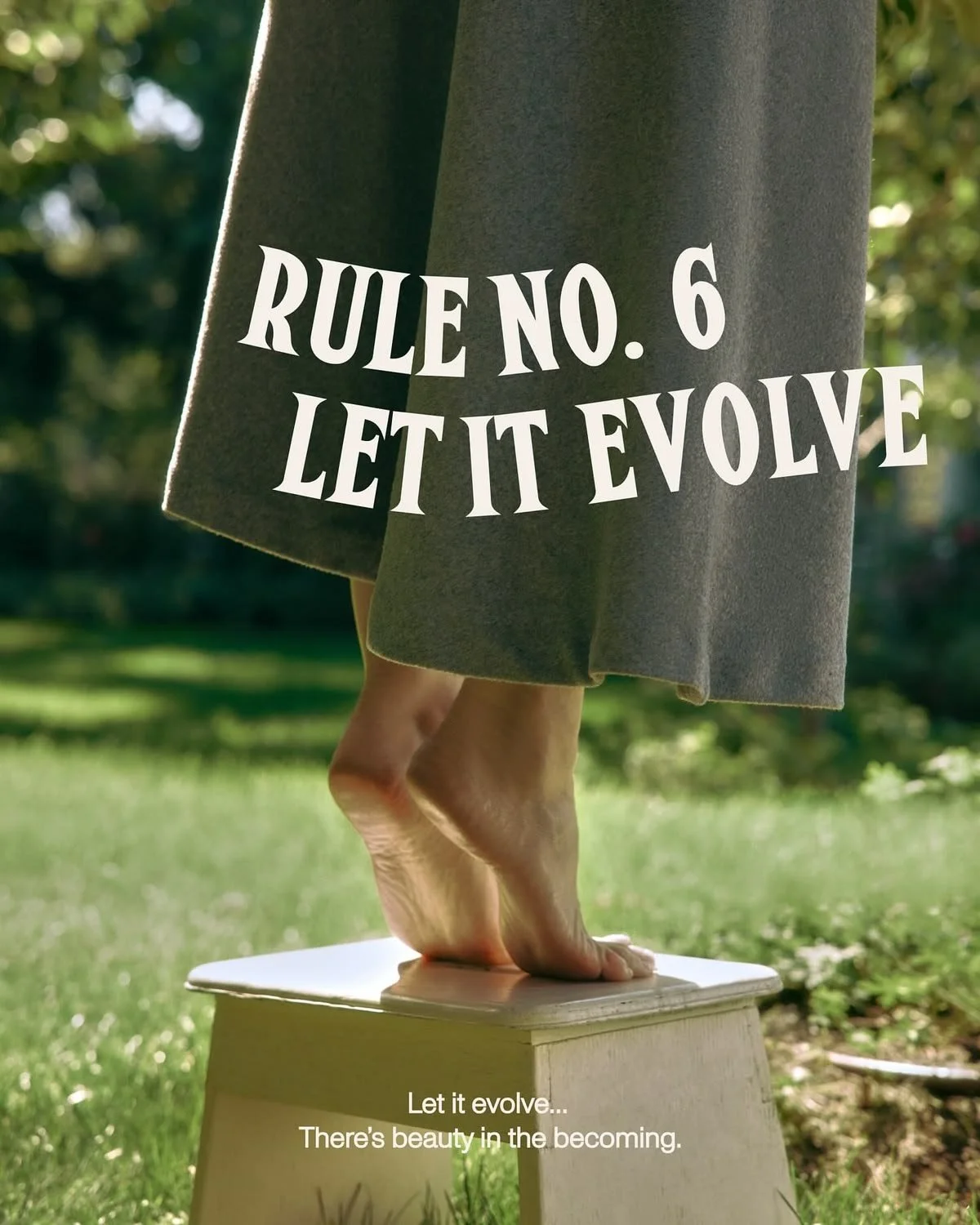
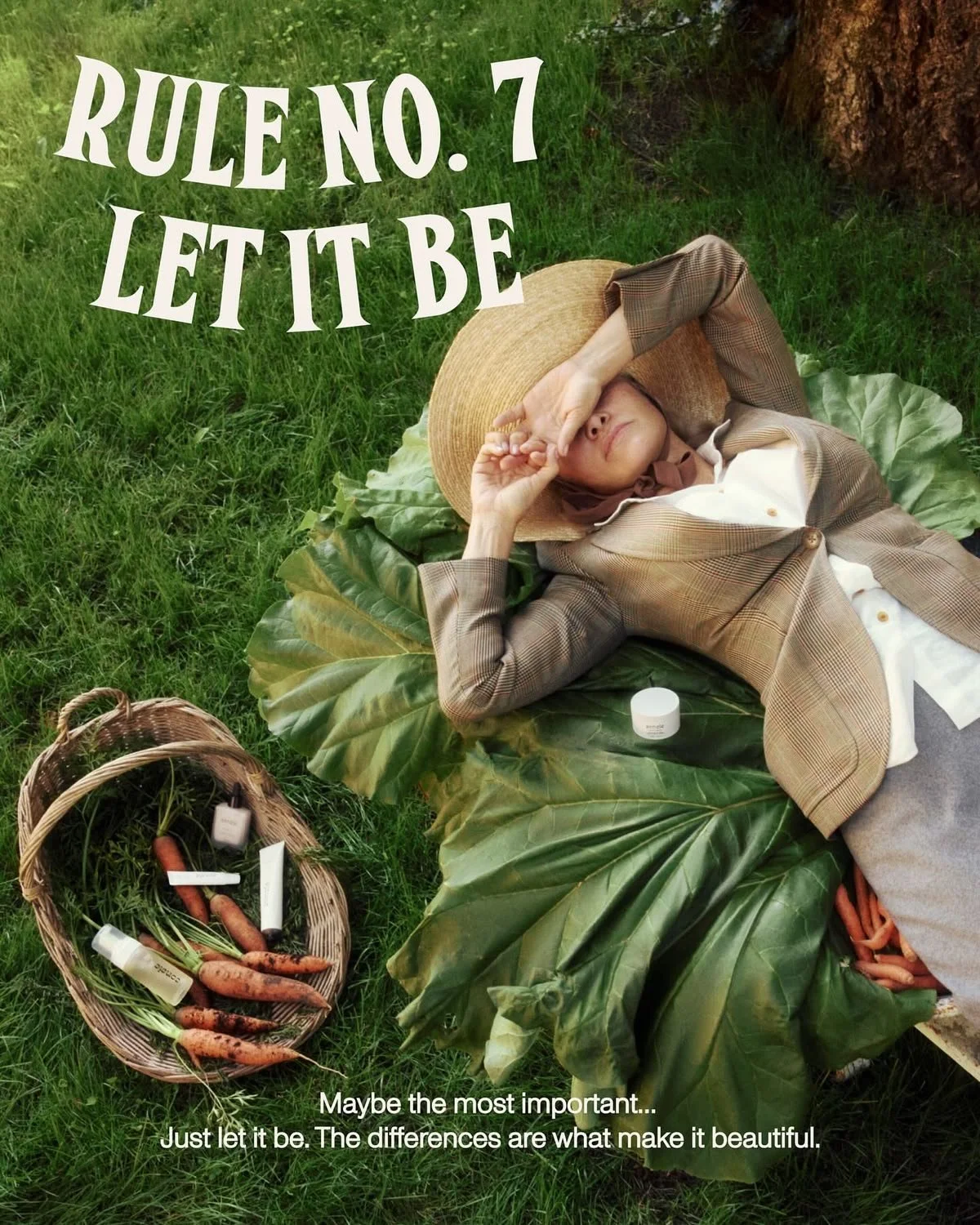
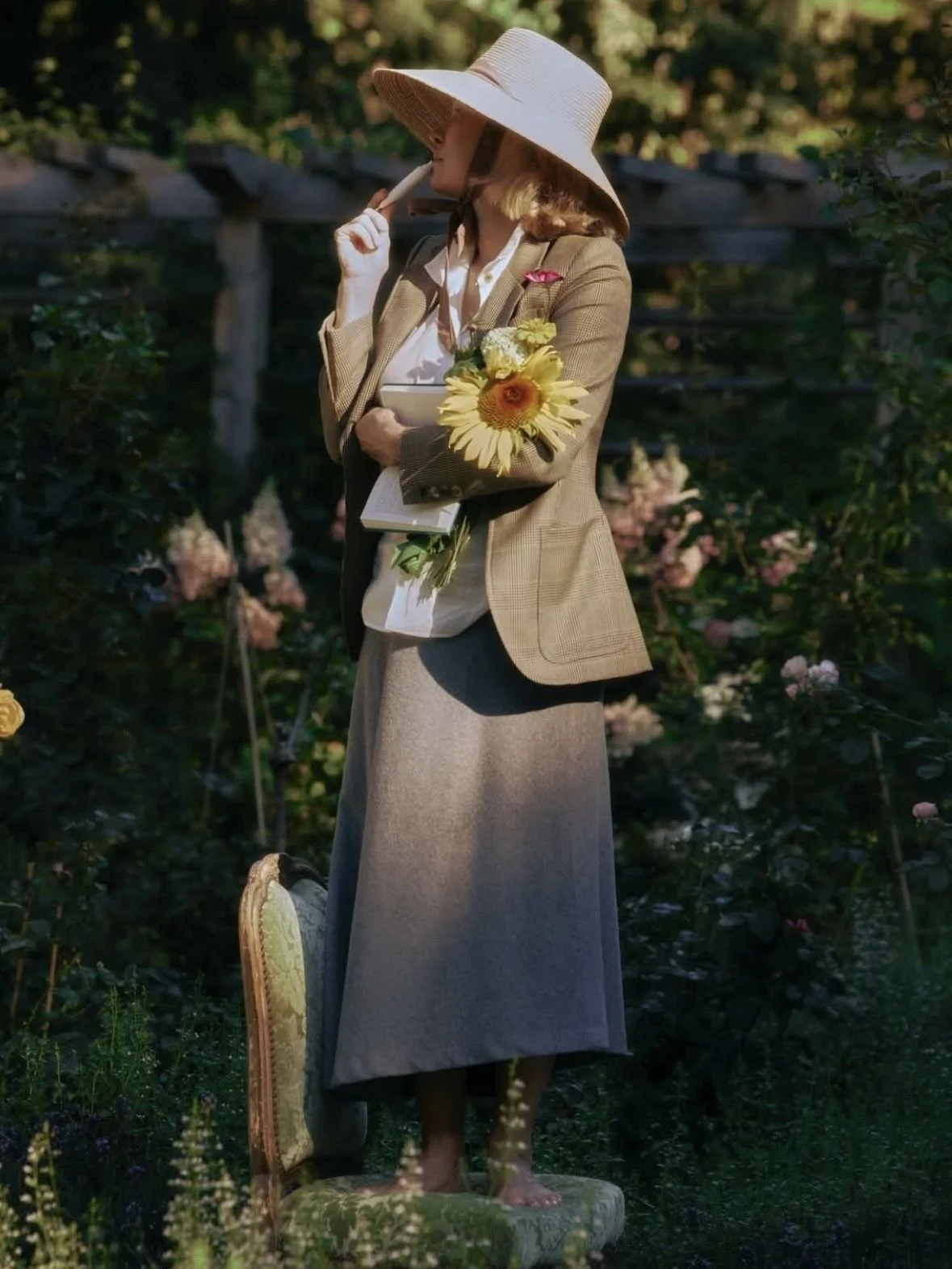
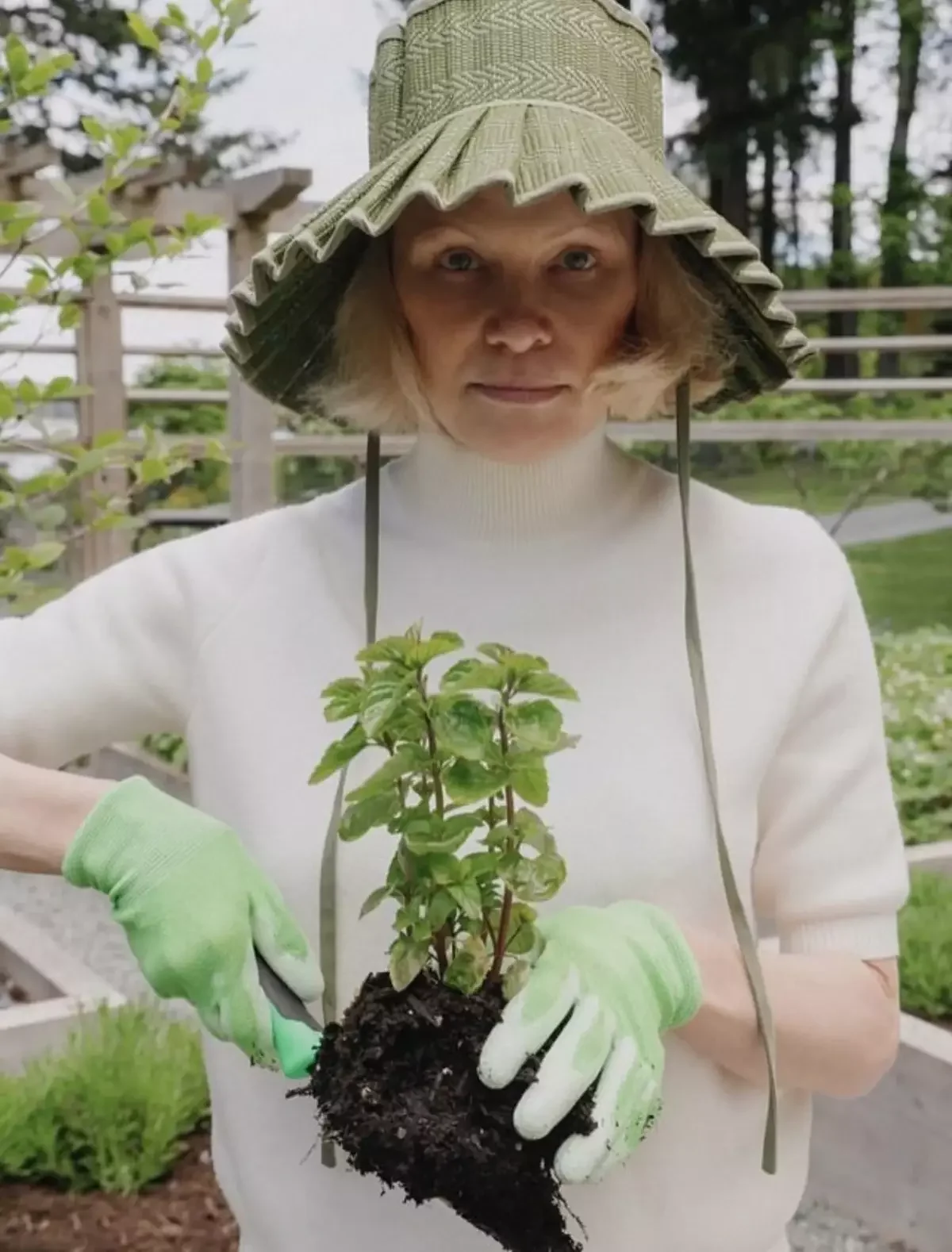
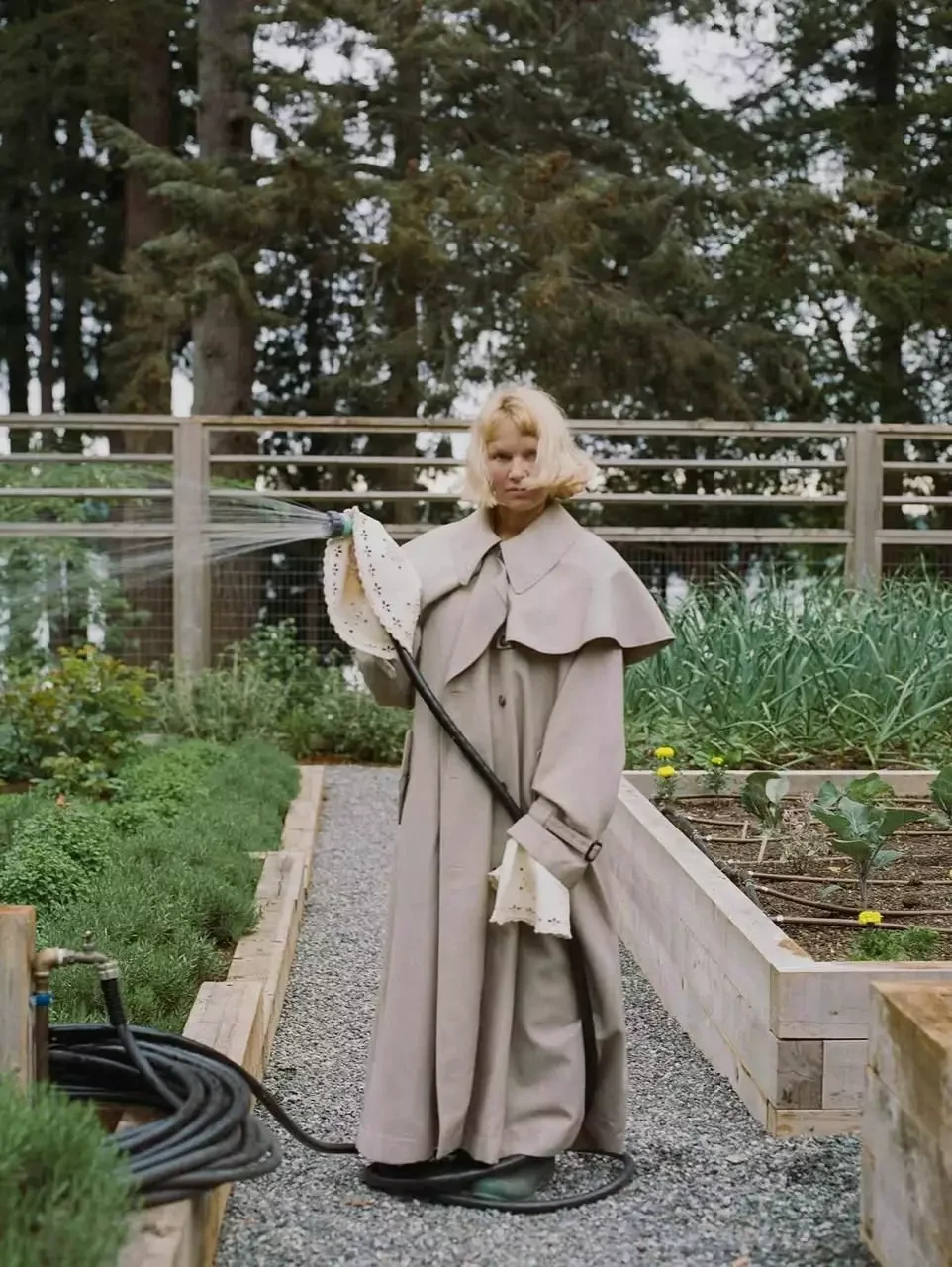
Few cultural moments have illustrated this shift more powerfully than Pamela Anderson's "Rules of the Garden". Filmed at her childhood home on Vancouver Island, and produced with her skincare brand Sonsie, the piece went quietly viral last year for good reason. For a woman whose image was so thoroughly defined by spectacle, the garden represents a complete reorientation of values. Her rules — no hovering, handle everything with love, never aim for perfection, let the mess become the magic, always look below the surface — aren’t really about gardening. They are instructions for a life lived in opposition to the culture that made her famous.
In an interview with Architectural Digest, she described her garden as "Provençal": wildflowers, herbs, and vegetables growing together in an intentional tangle, combining the rules of gardening with her "whimsical nature." There is no separation between the garden and the self. The land is not a backdrop, but the practice.
Garden Society in this expression is not the manicured formal garden of old luxury. It is the wilder, more honest garden that acknowledges mess as part of the magic. Anderson's reclamation of her own narrative through soil and slowness resonates because it mirrors what so many consumers are quietly doing themselves: stepping back from the curated surface and asking what's growing underneath.
The garden becomes a framework for authenticity, and authenticity has become the rarest luxury of all.
#2 The House of Dior and the Theater of the Garden
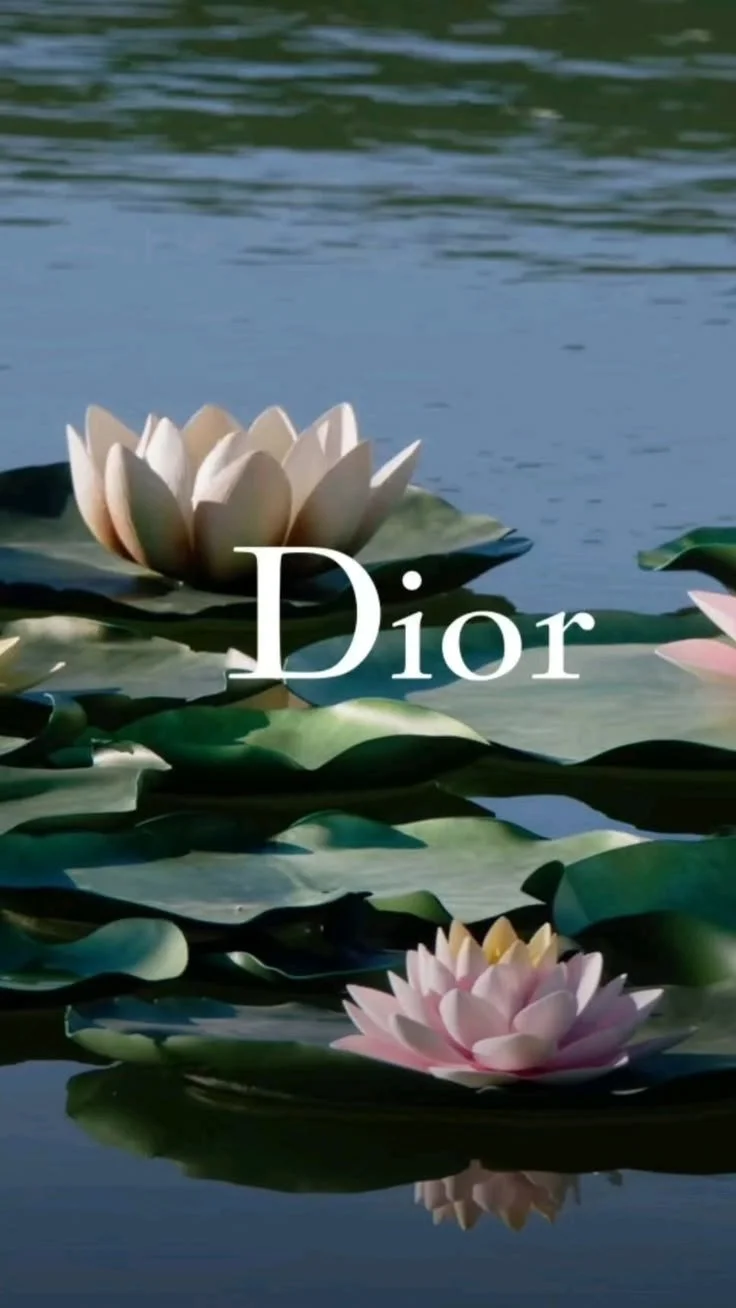
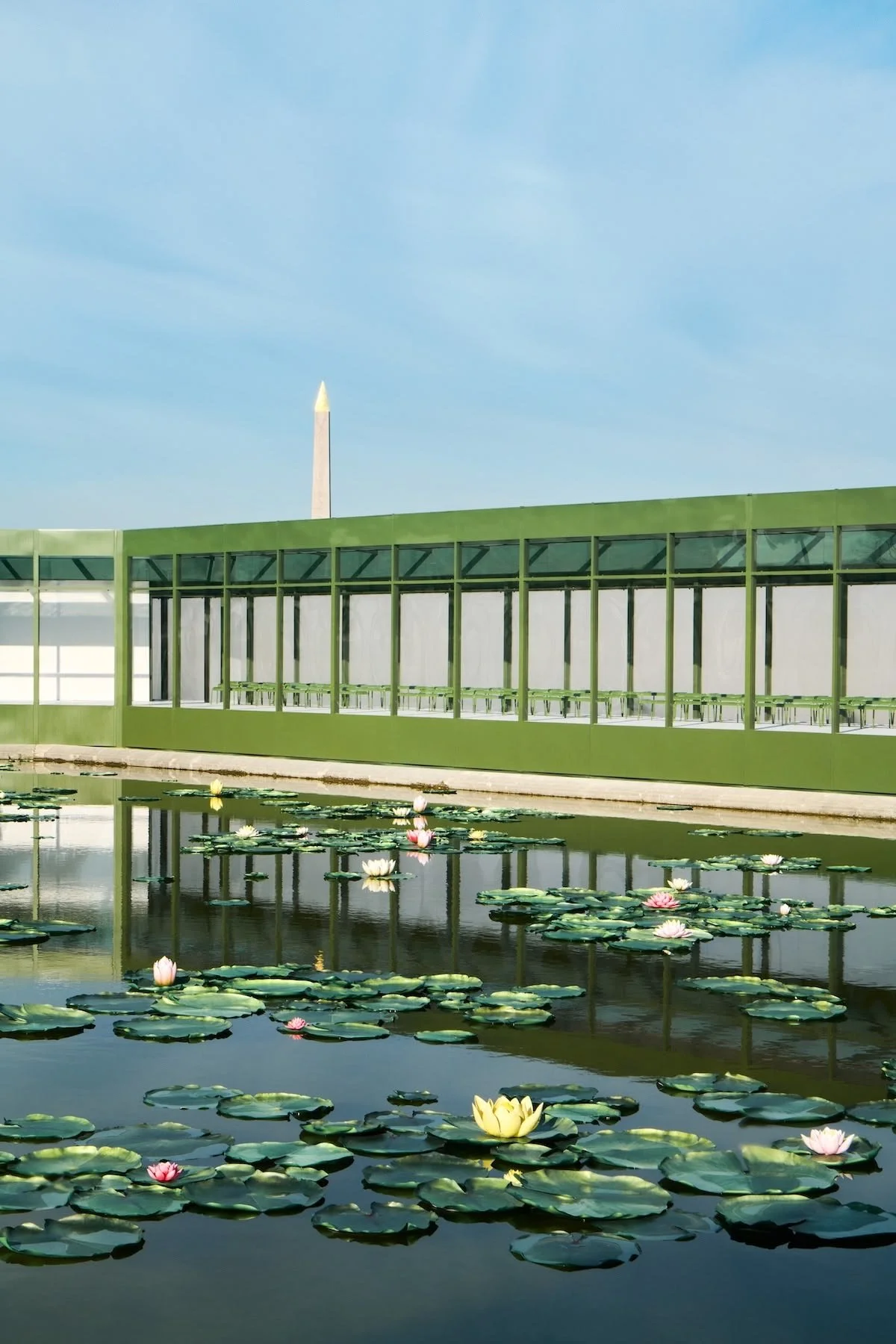
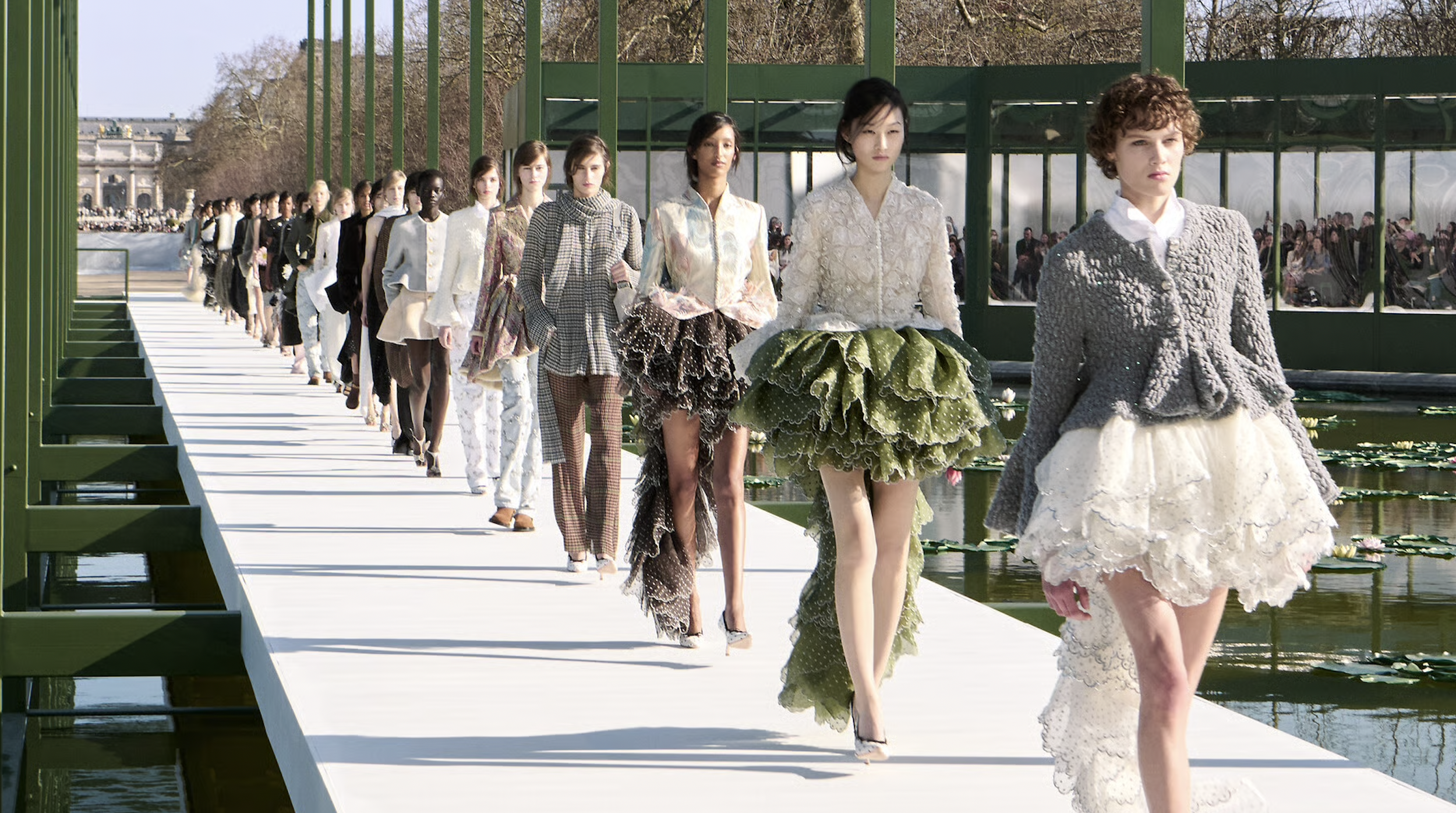
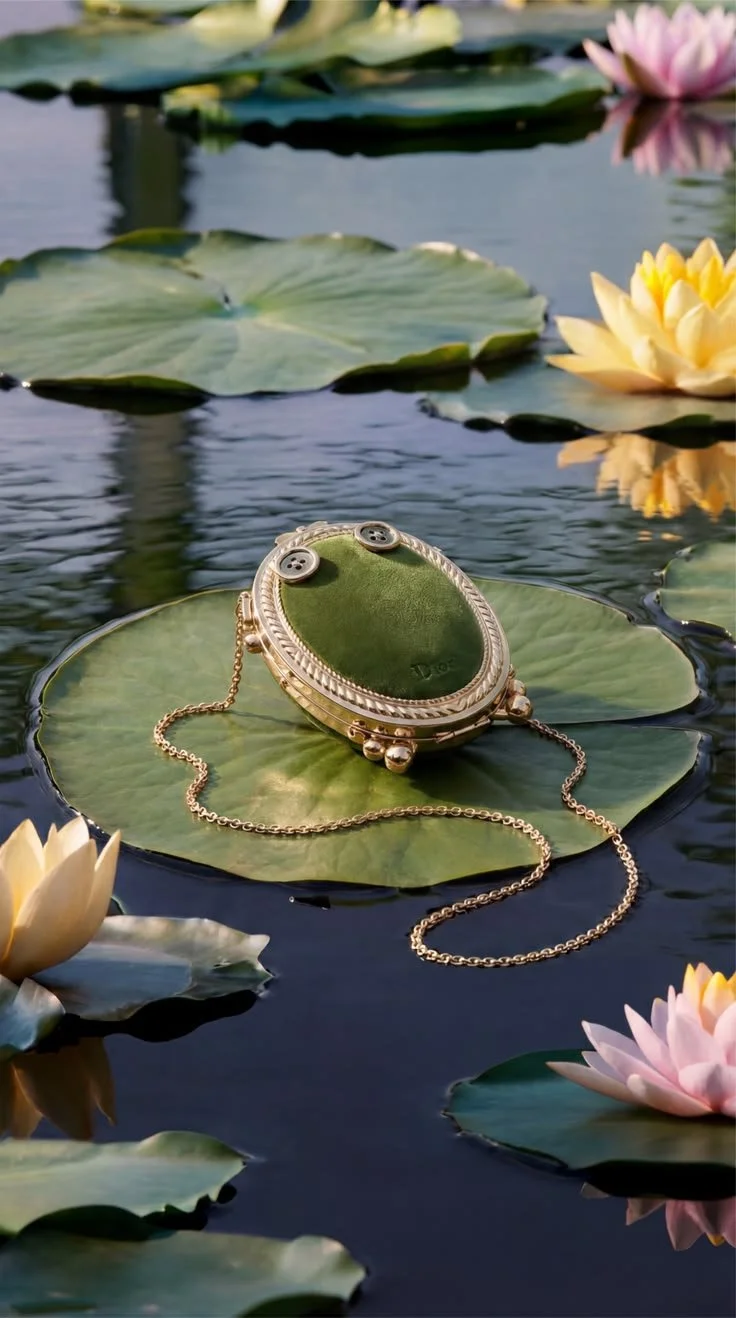
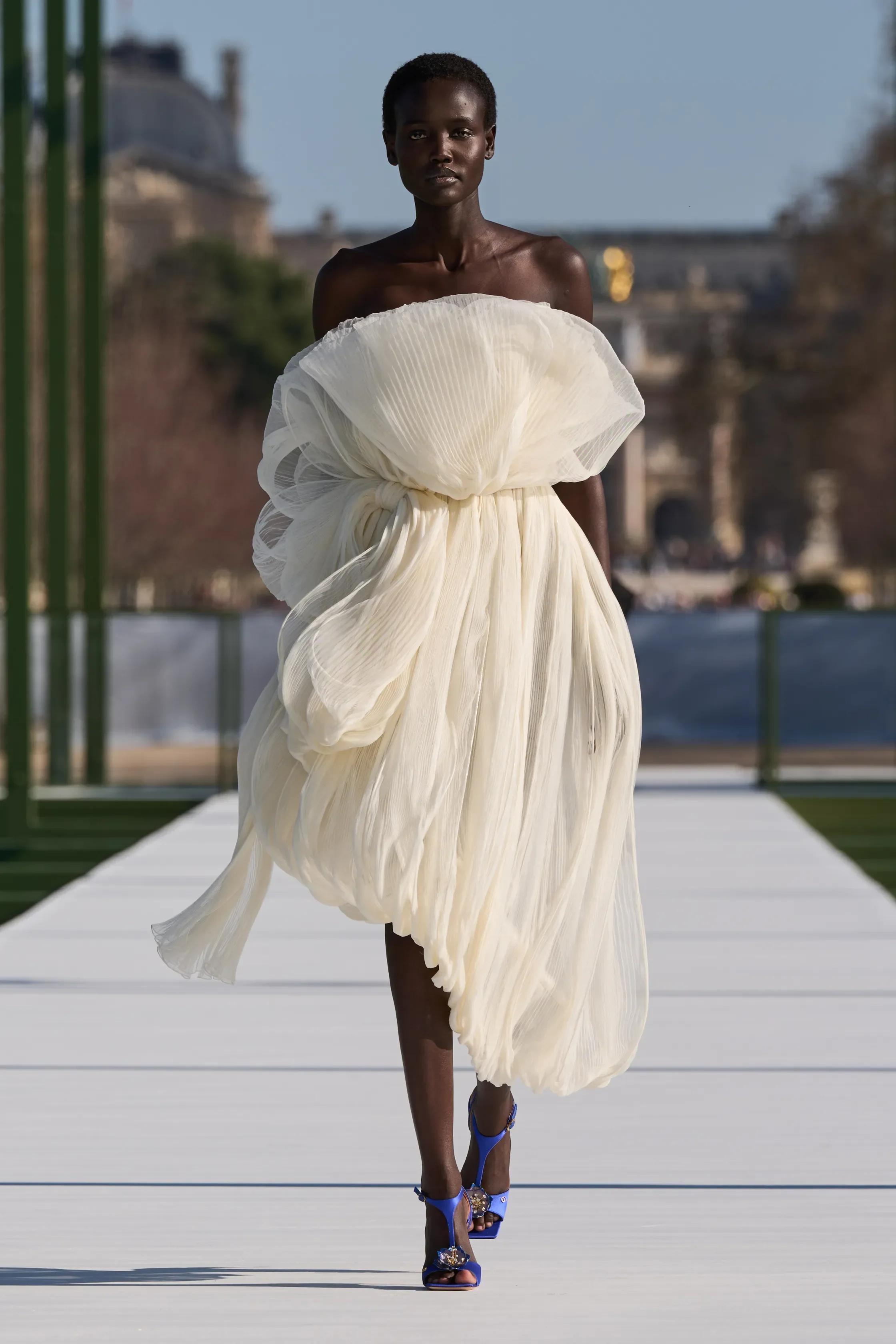
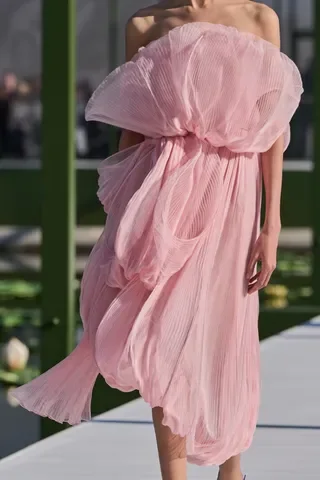
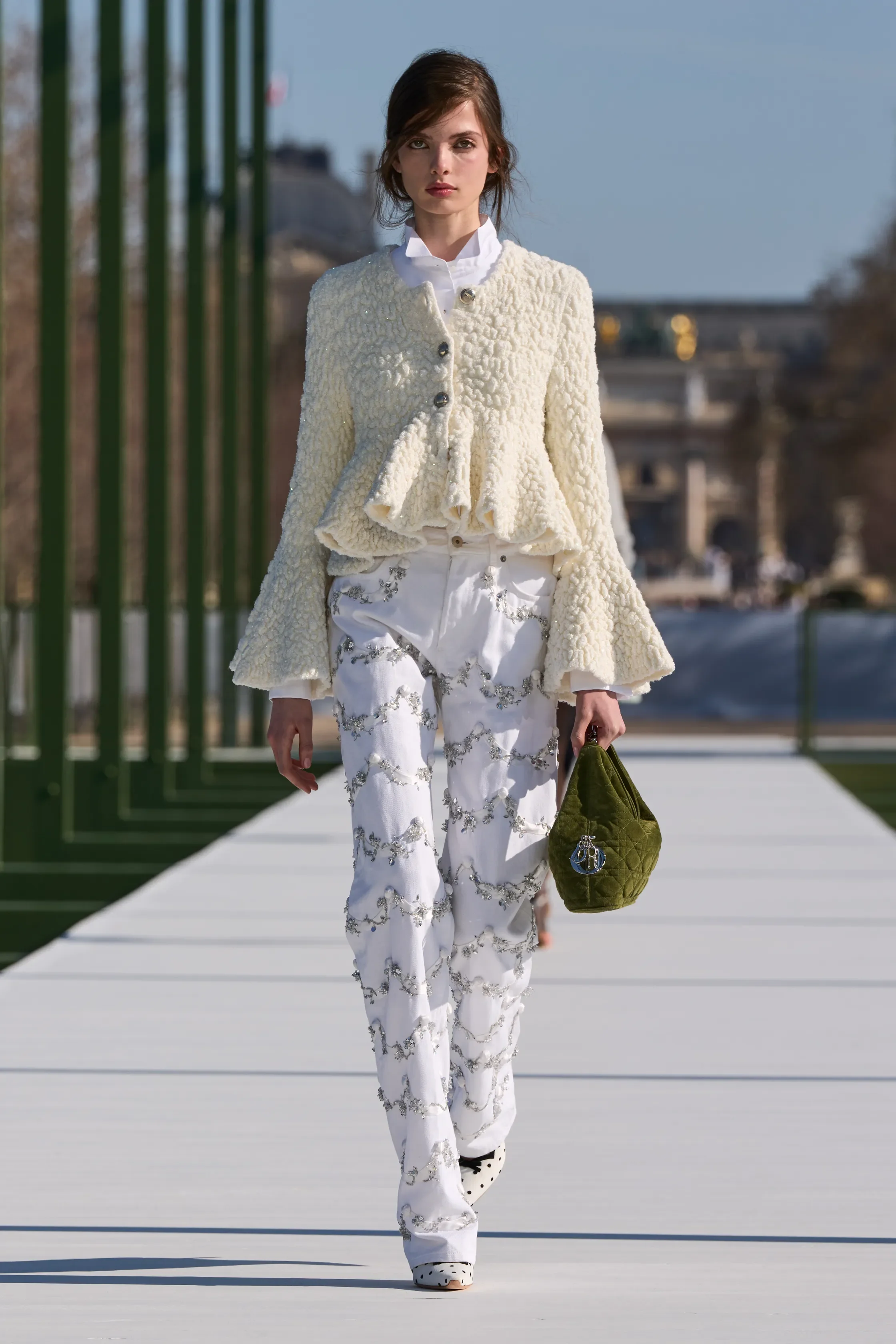
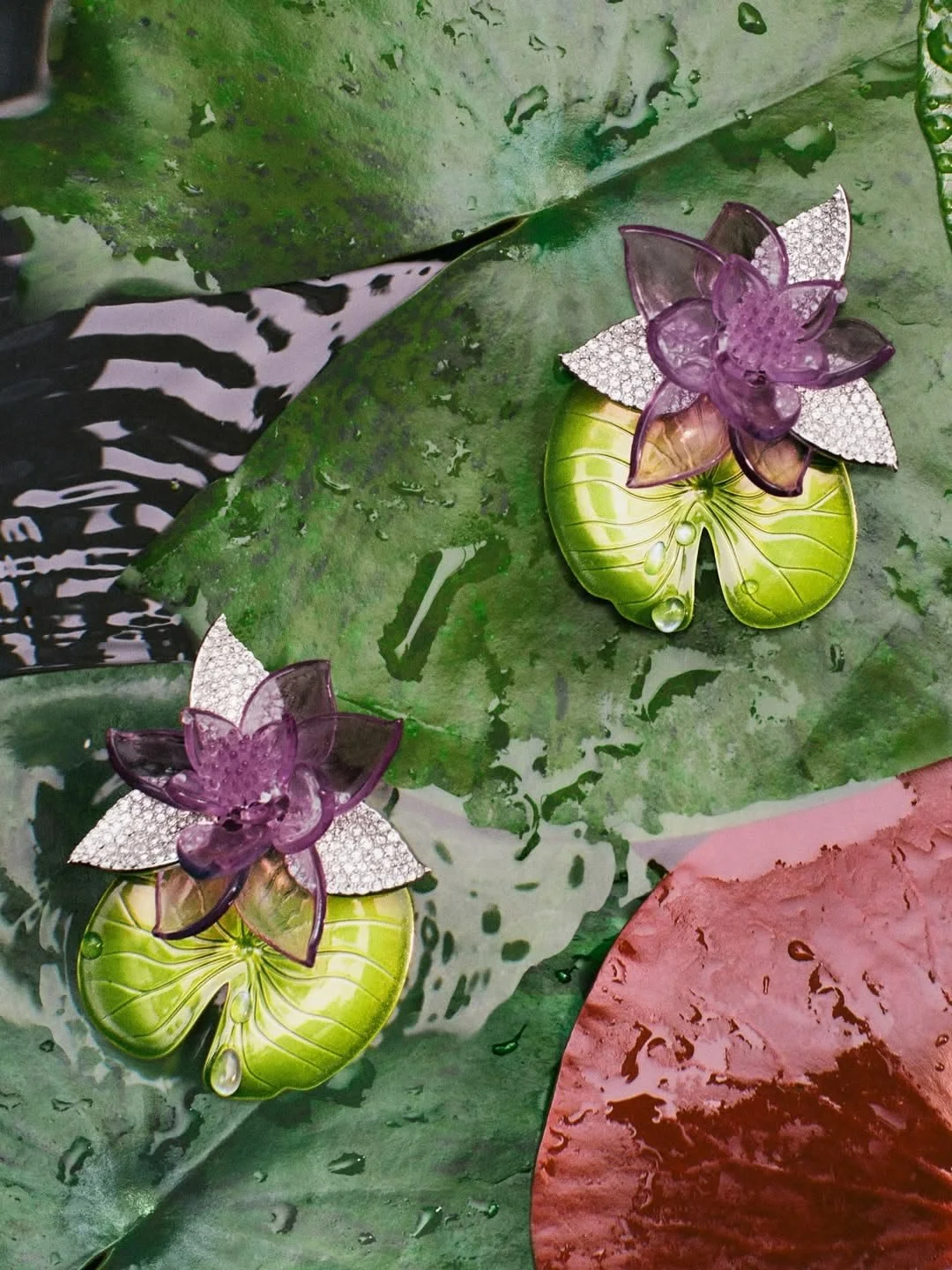
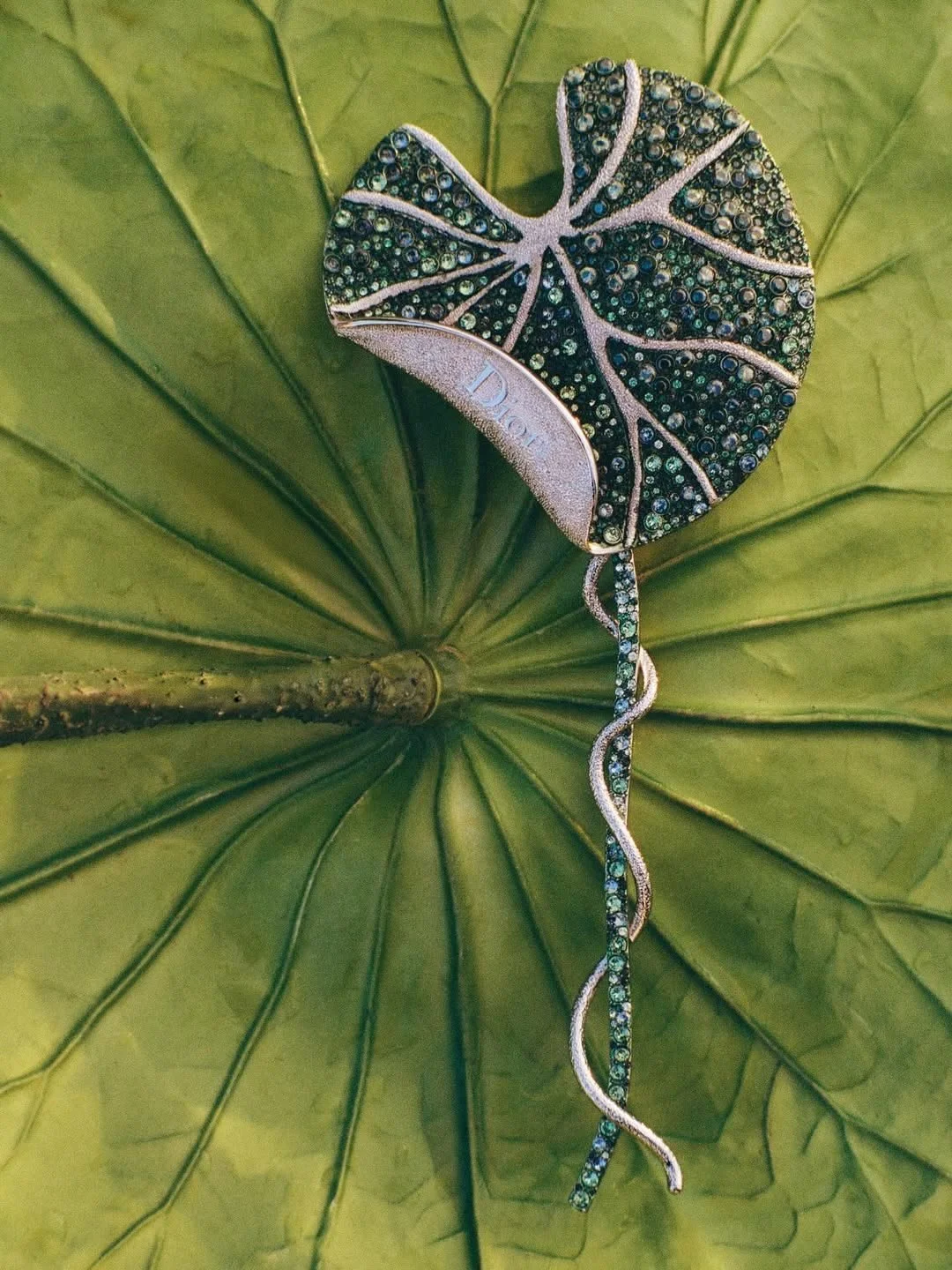
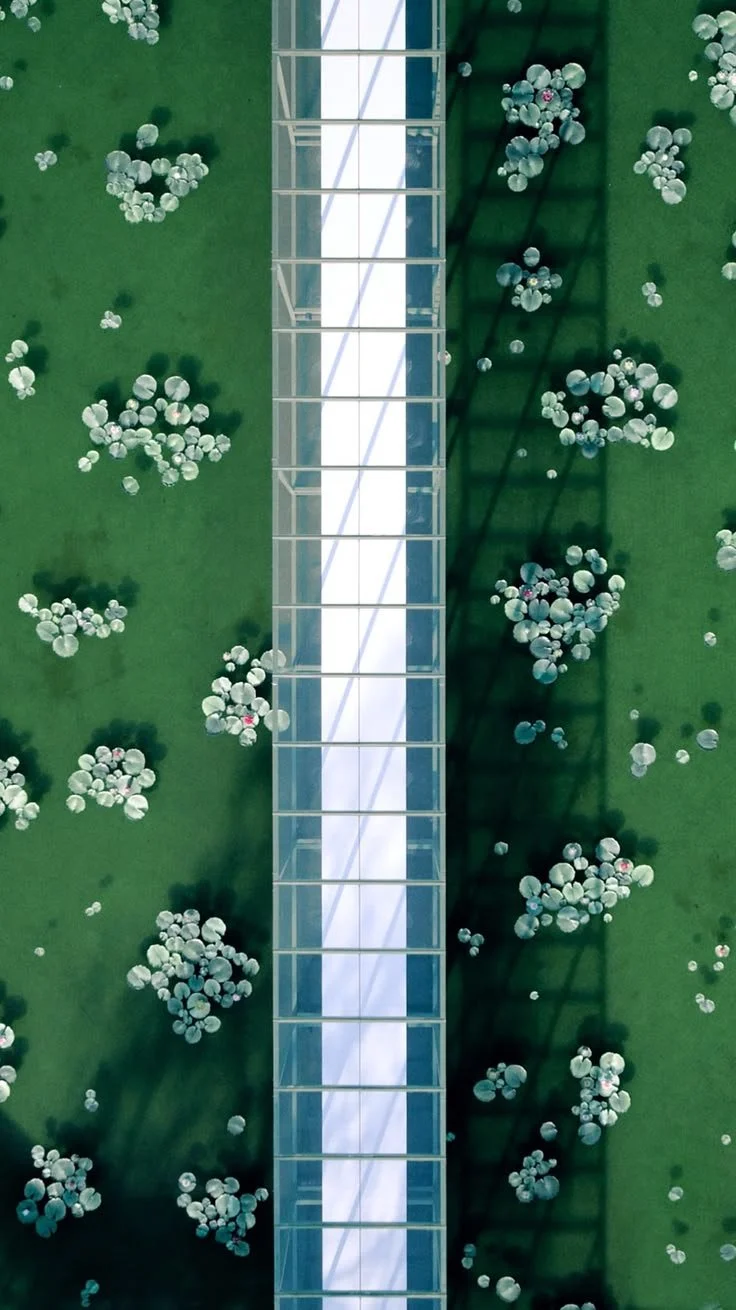
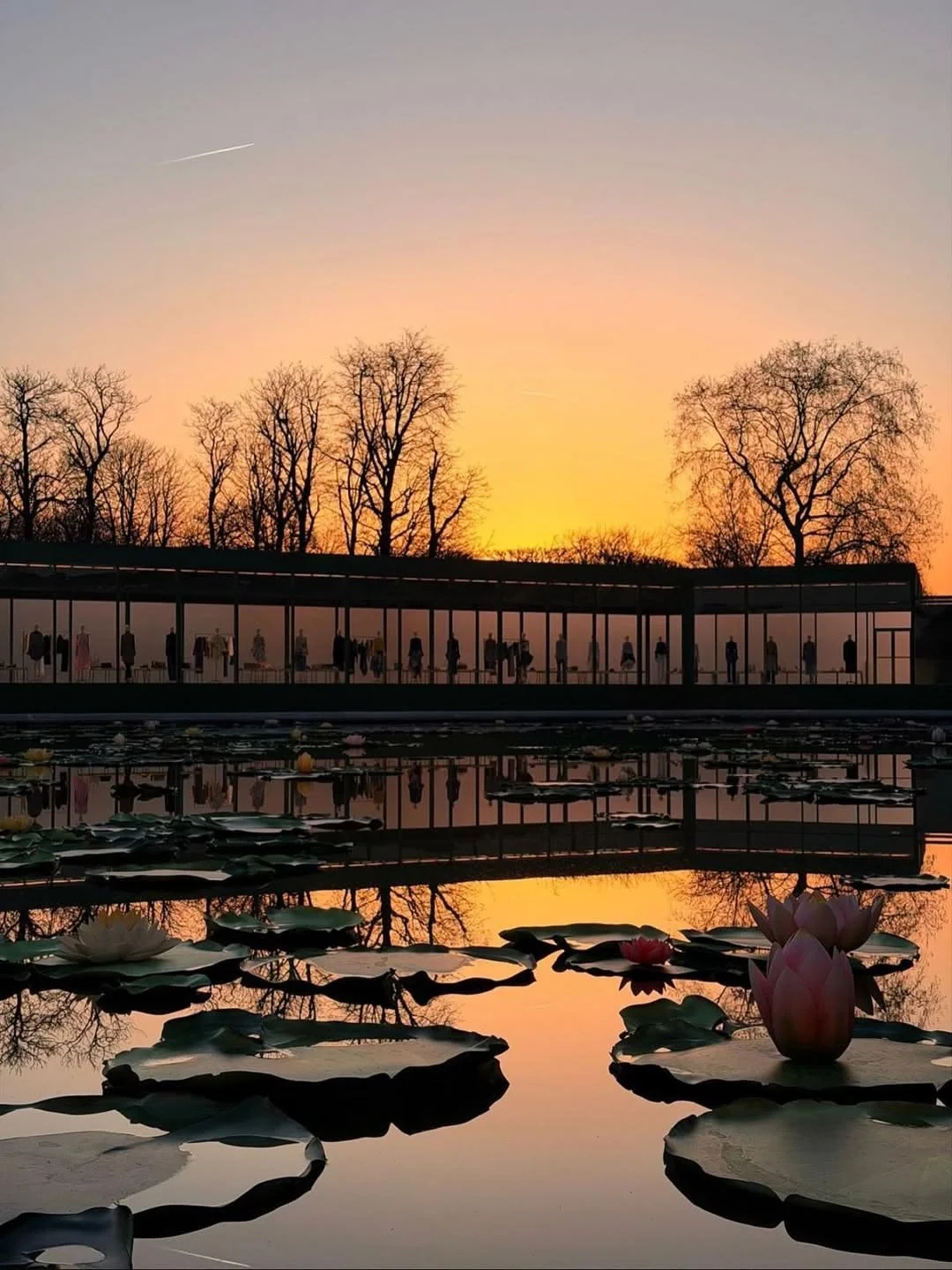
For his AW26 womenswear collection, Jonathan Anderson did not pitch the customary white tent in the Tuileries. He built a greenhouse around the Bassin Octogonal — enclosing one of Paris's most historic ponds within a vast glass pavilion and scattered lifelike water lilies across the water's surface. Just beyond the garden wall is the Musée de l'Orangerie, home to Monet's monumental water lily murals. The proximity was not accidental. All of it was in conversation.
The show draws on the garden as three distinct things at once. Together they make an argument about why the garden and fashion have always belonged to each other.
The first is the Tuileries as historic stage. Most people experience it today as a pleasant cut-through between the Louvre and the Place de la Concorde, but it was originally commissioned by Catherine de' Medici and later redesigned under Louis XIV. When It opened to the public in 1667, it had a dress code. You had to be wearing a sword or a robe to enter. From the start it was a place where Parisian society came not just to stroll but to perform. To communicate wealth, taste, and standing through the very clothes on their backs. In that sense, it was the original fashion week. Choosing to build his greenhouse there wasn't a backdrop decision. It was a statement: fashion and the garden share the same essential logic: both are theaters of self-presentation using beauty as a language.
Then there's Monet's garden, which is a different thing entirely. Monet didn't paint the garden as it was. He painted it as it felt. The water lily series dissolves the boundary between the flower and reflection, between water and sky. What you're left with is nature as impressionistic and emotional. Not the garden you can walk through but the garden that lives in memory and feeling long after you've left. Anderson filling the basin with artificial lilies that mirror Monet's paintings, which are housed just steps away in the Orangerie, invokes that emotional register. The garden not as performance but as feeling. Nature as it exists inside us rather than just around us.
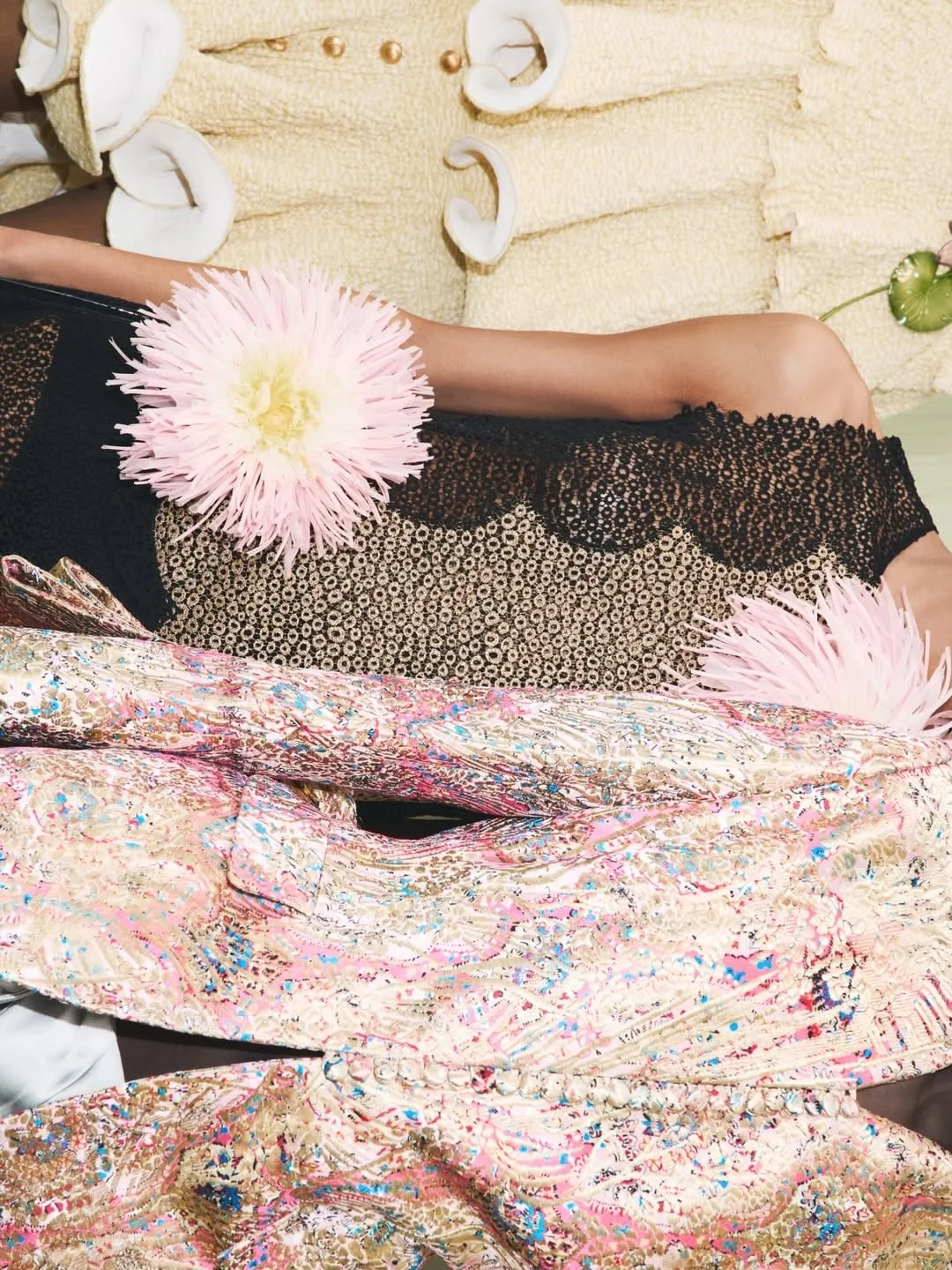
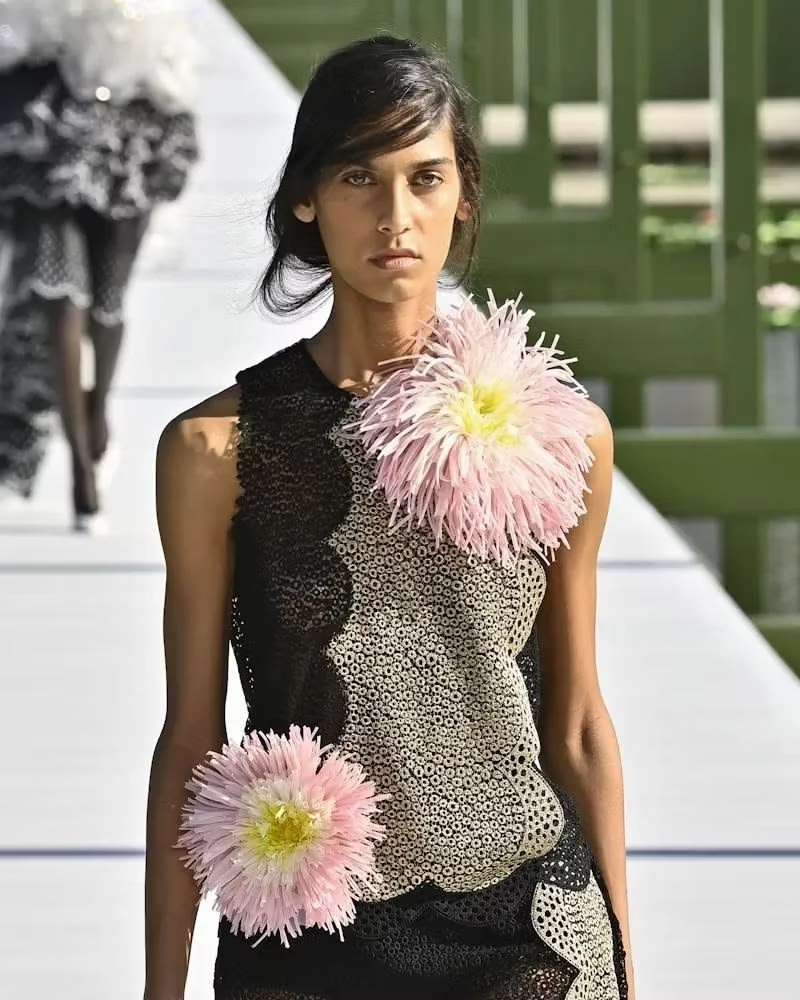
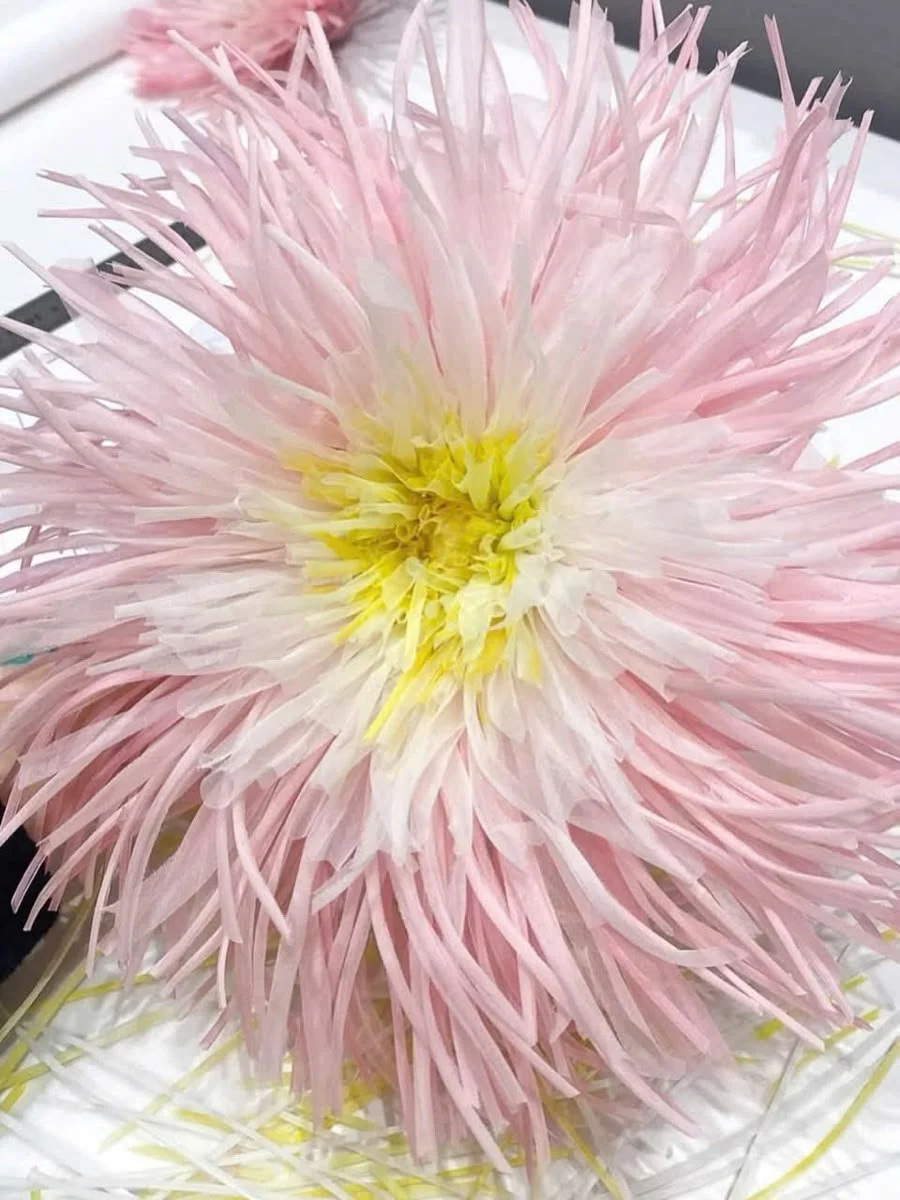
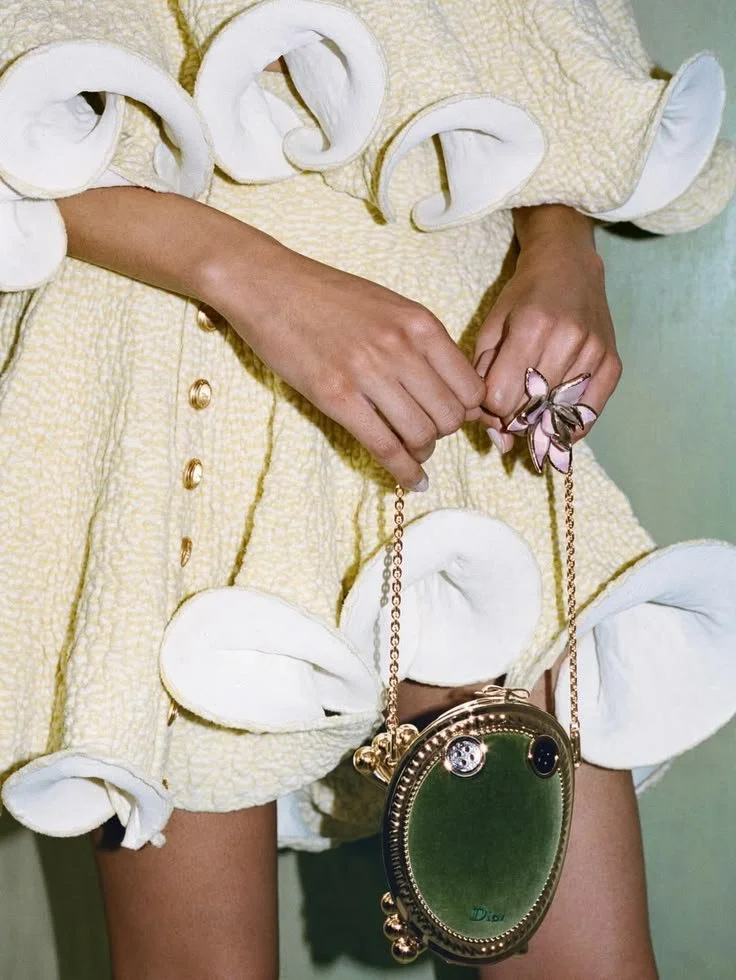
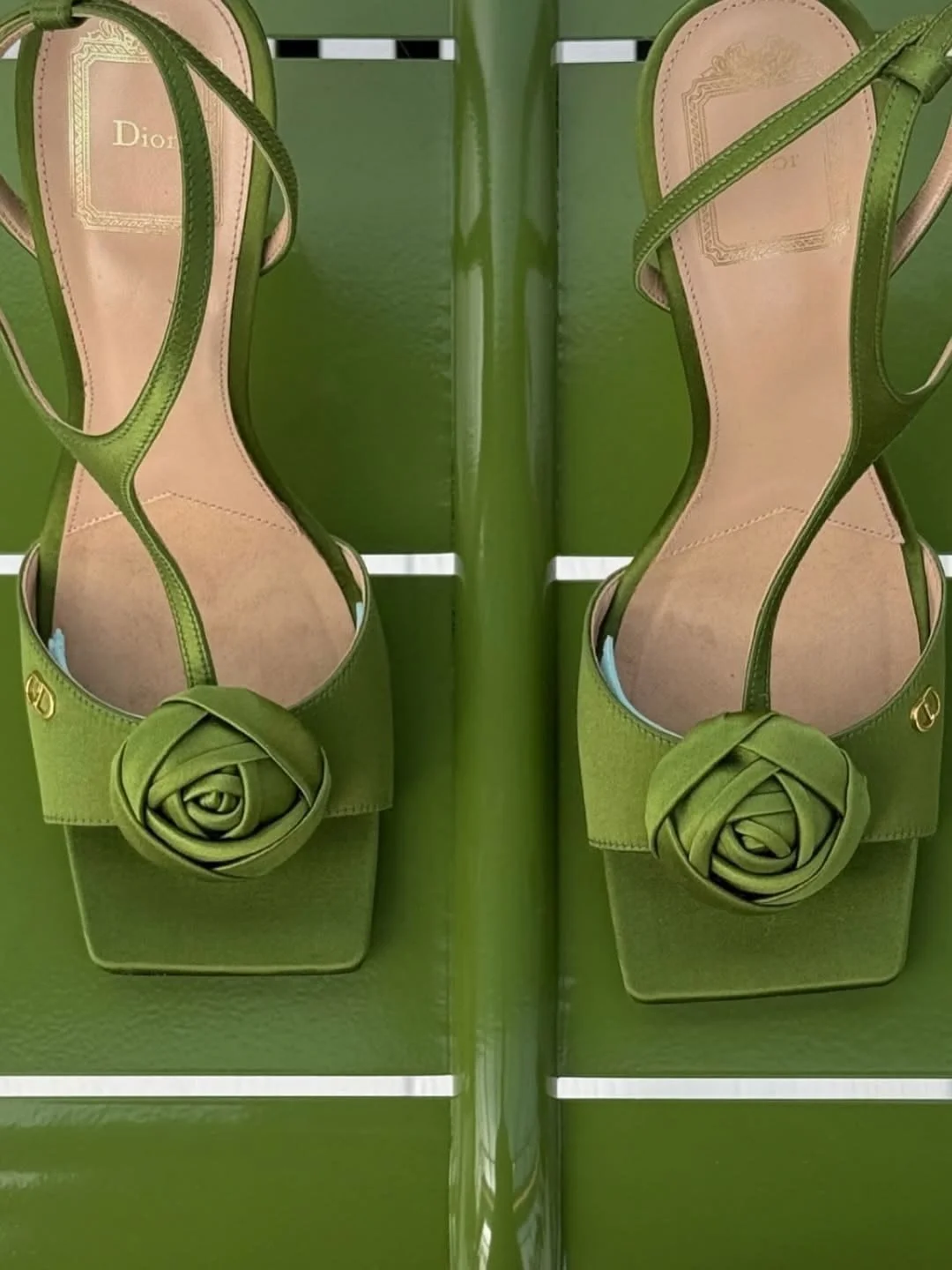
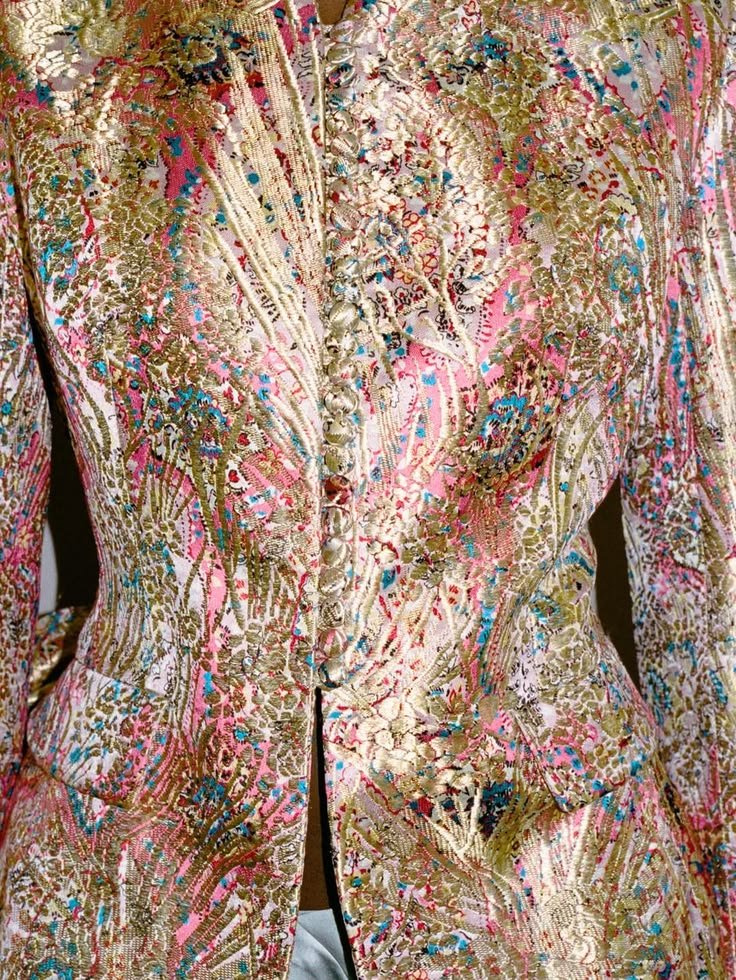
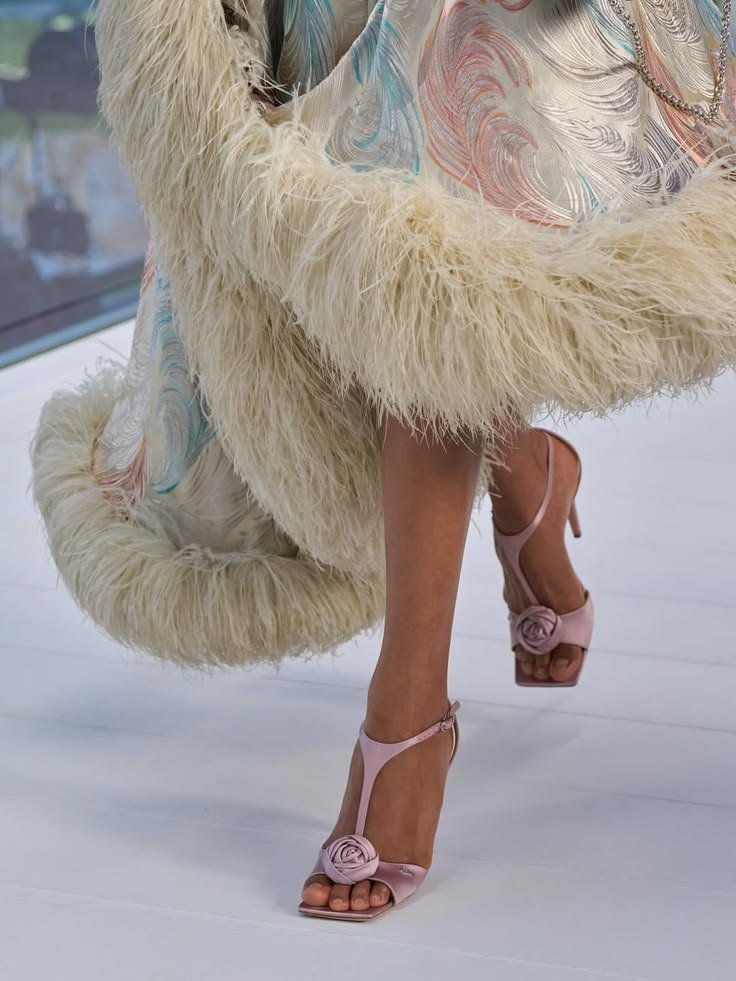
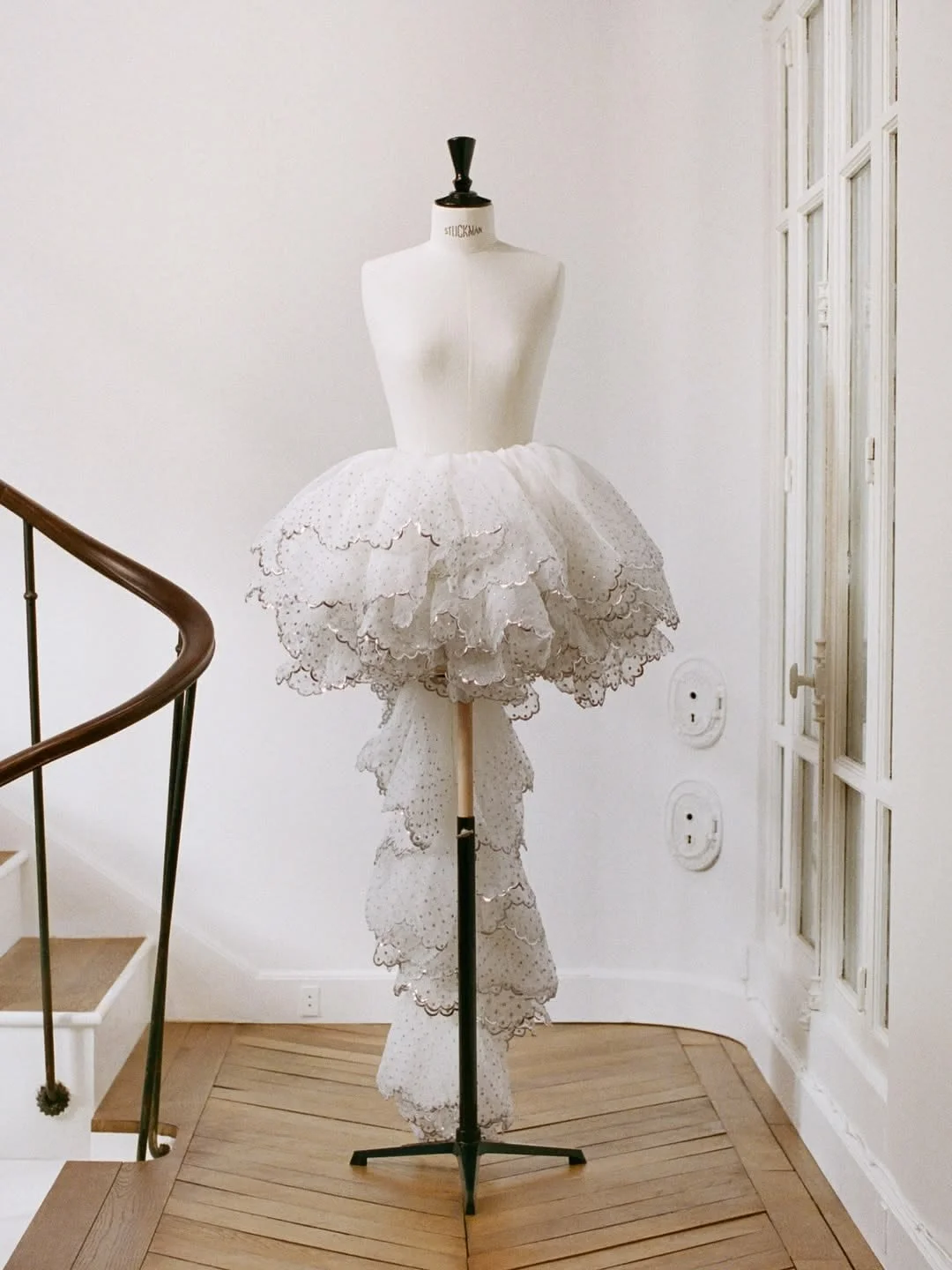
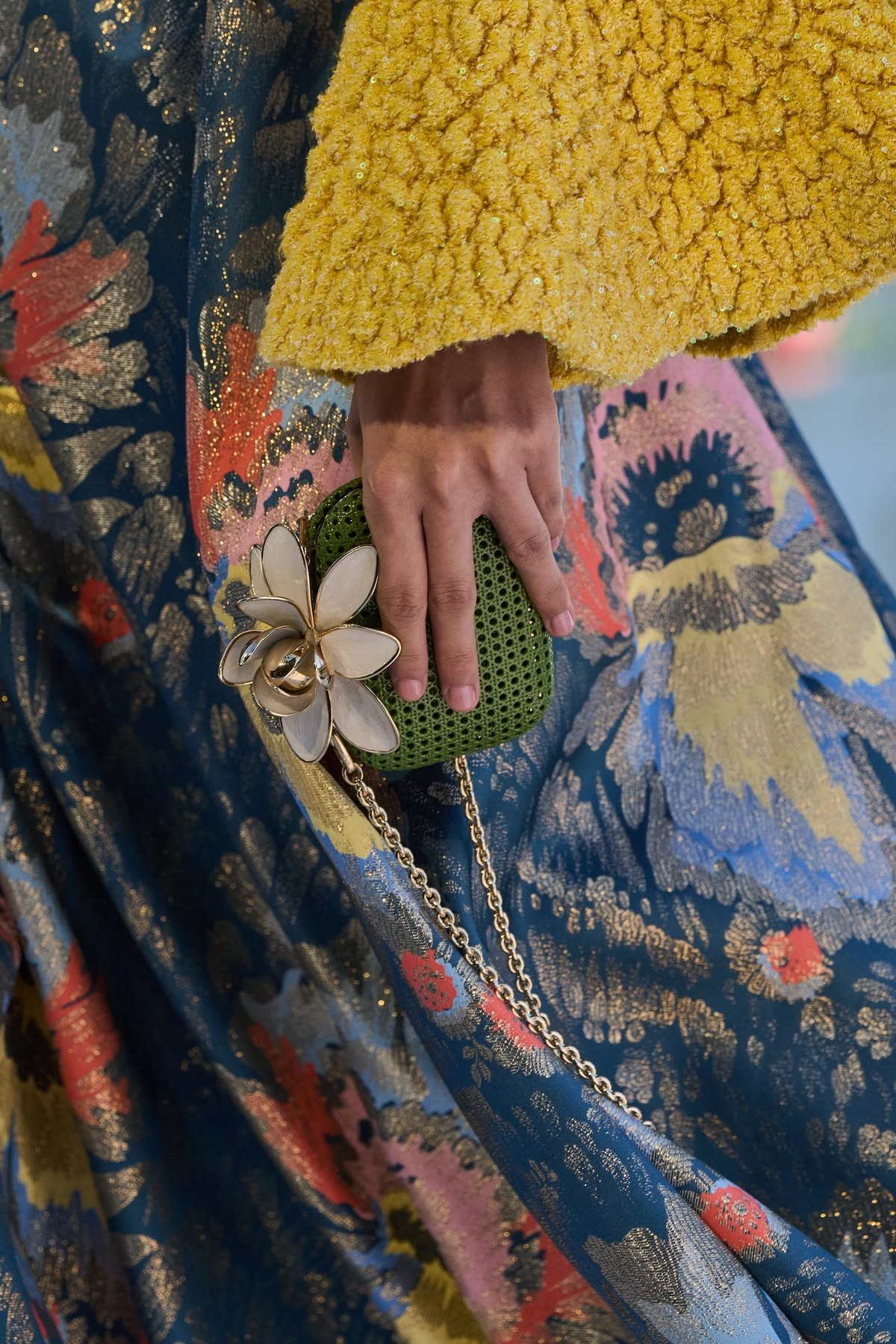
And lastly the clothes themselves. Oversized ruffles mimicked flower petals in full bloom. Chiffon gowns resembling lilies on the verge of opening. Water lilies running as a continuous thread through accessories and prints. Anderson has spoken about water lilies disturbing the surfaces they inhabit — floating serenely on top while their roots reach into the dark below. That tension between the decorative and the structural, runs through every piece, and through fashion itself.
What Anderson achieved at Dior AW26 is a layered presentation of what the garden actually is: a stage, a feeling, a living design system. The Tuileries tells us it's where we go to perform. Monet tells us it's where we go to feel. And the collection suggests fashion, at its most considered, has always been trying to do both.

#3 Jacquemus and Origin as Luxury
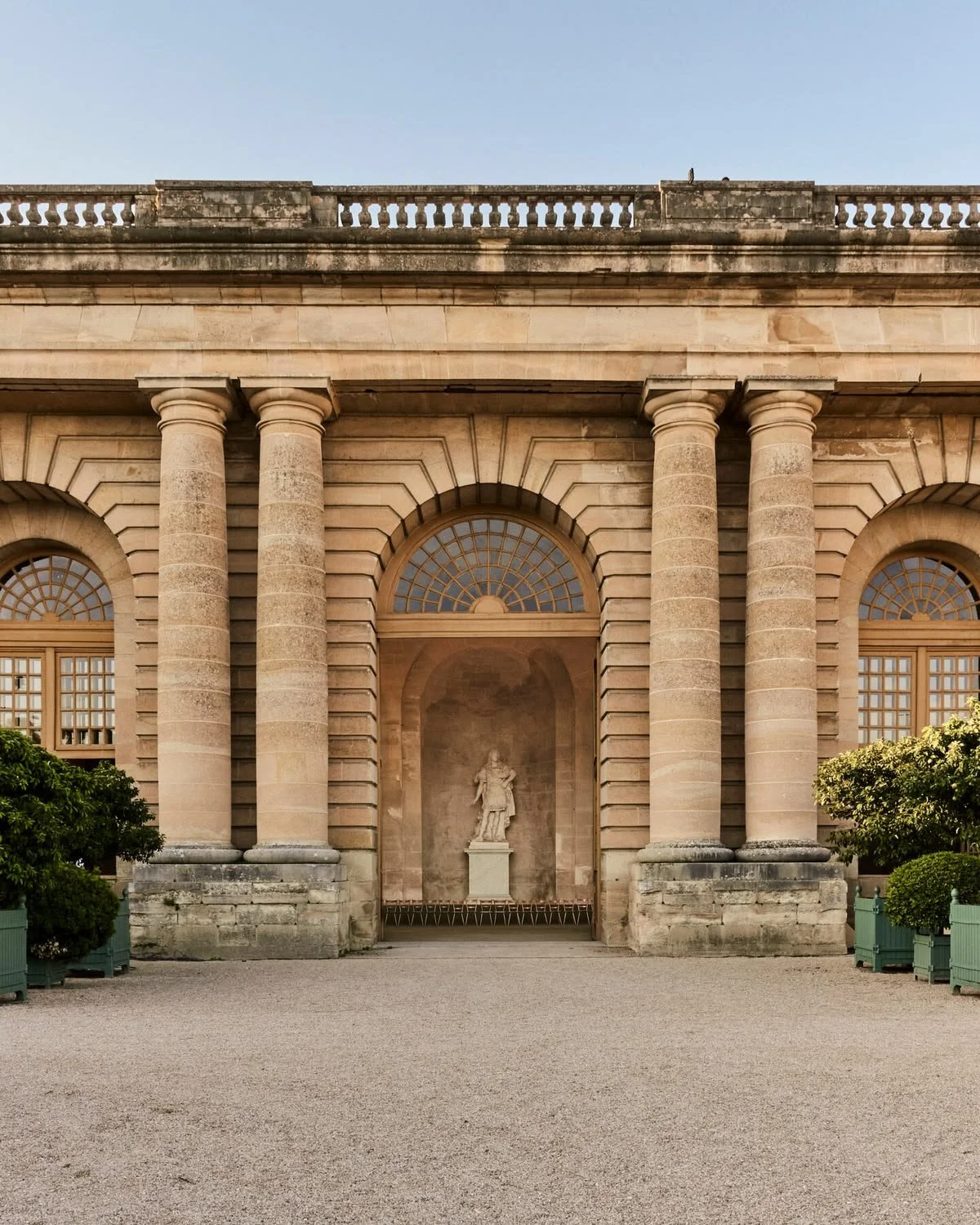
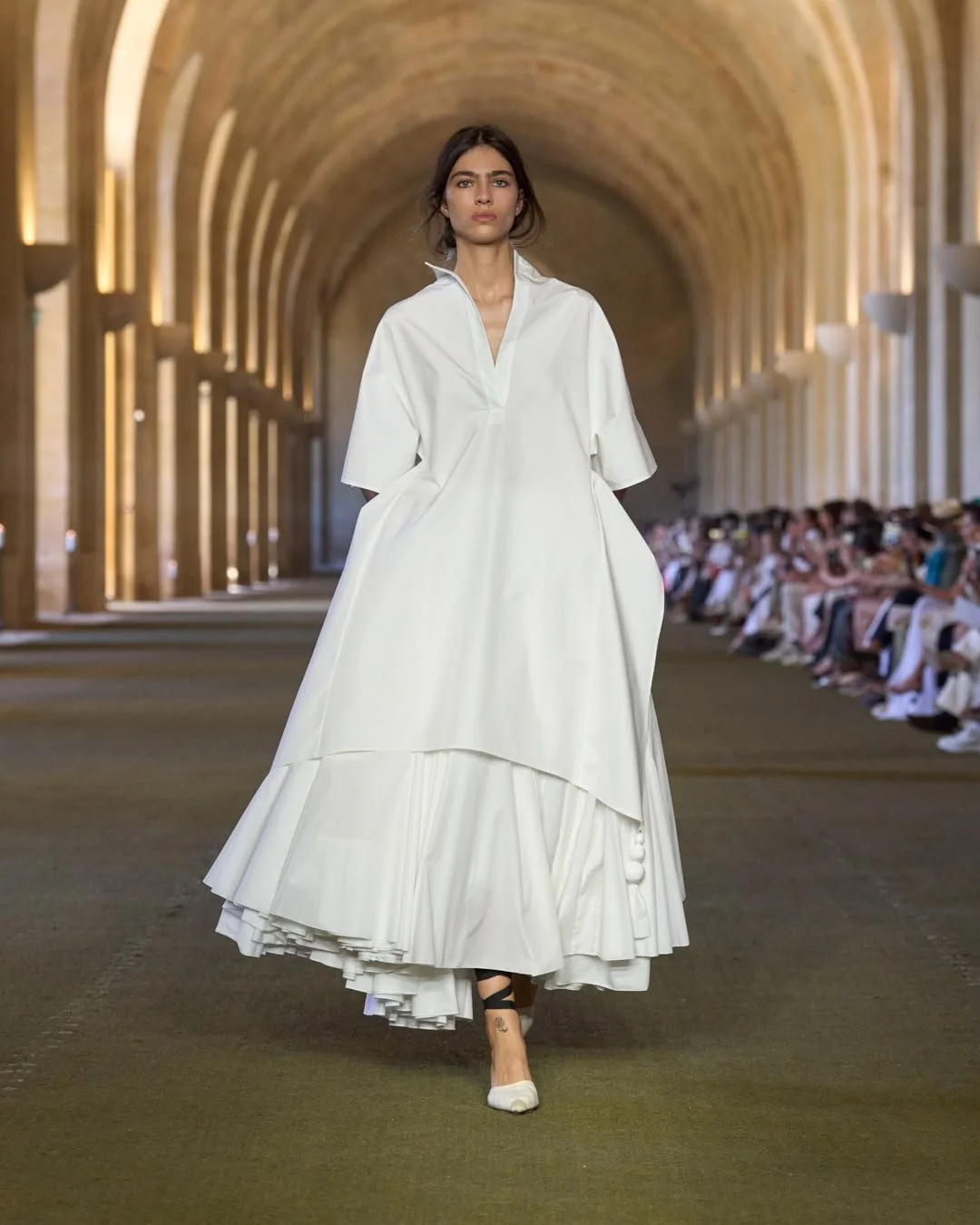
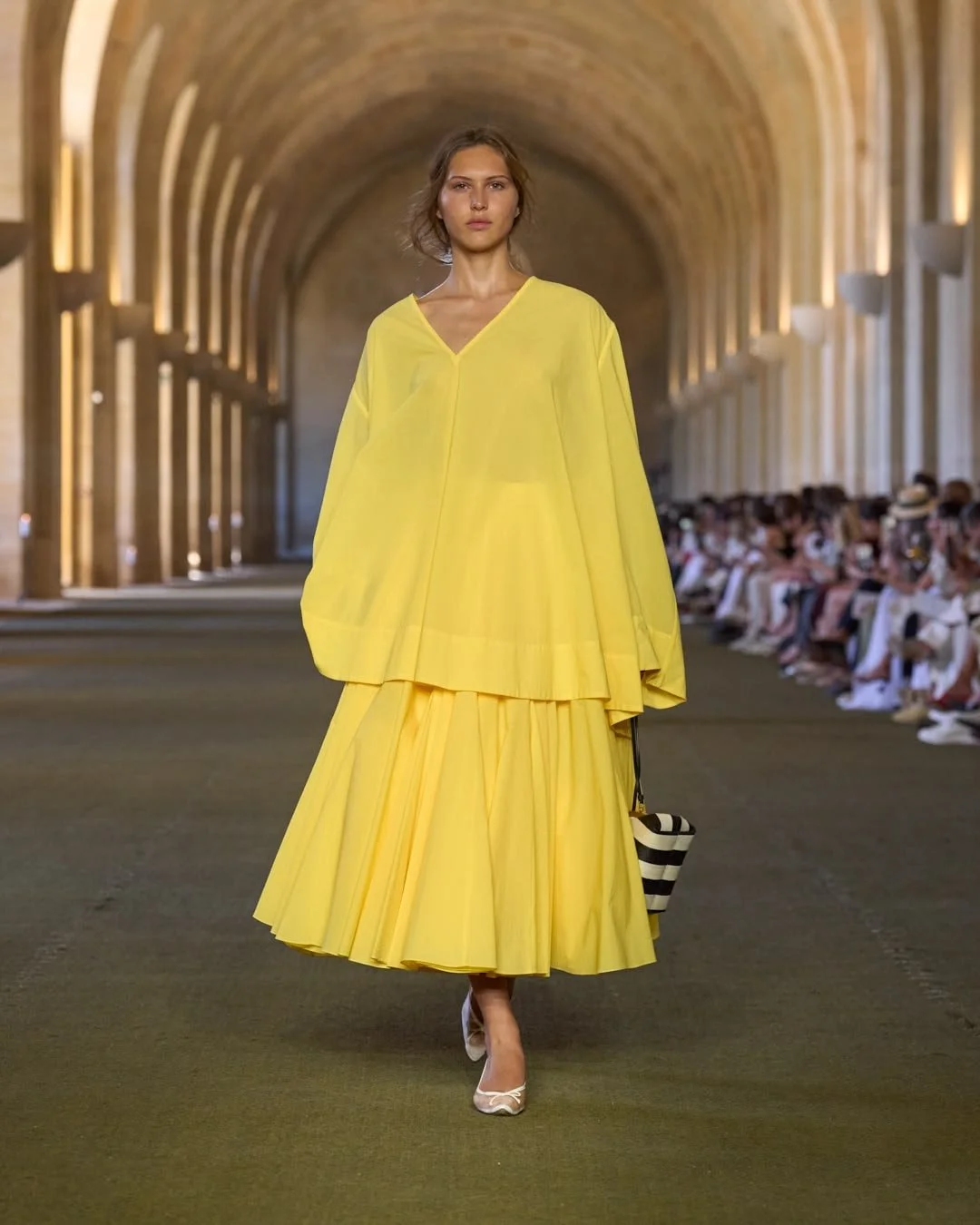
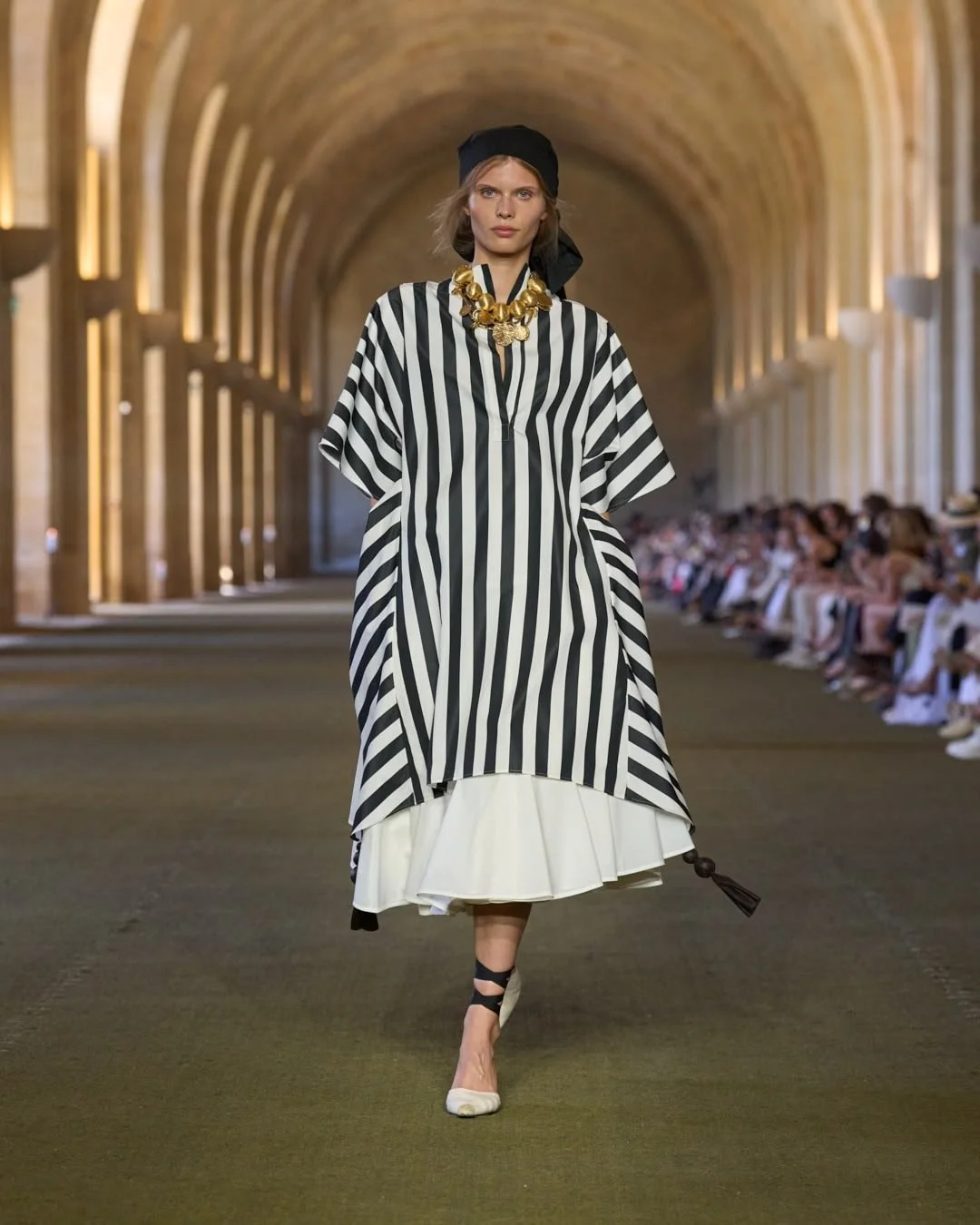
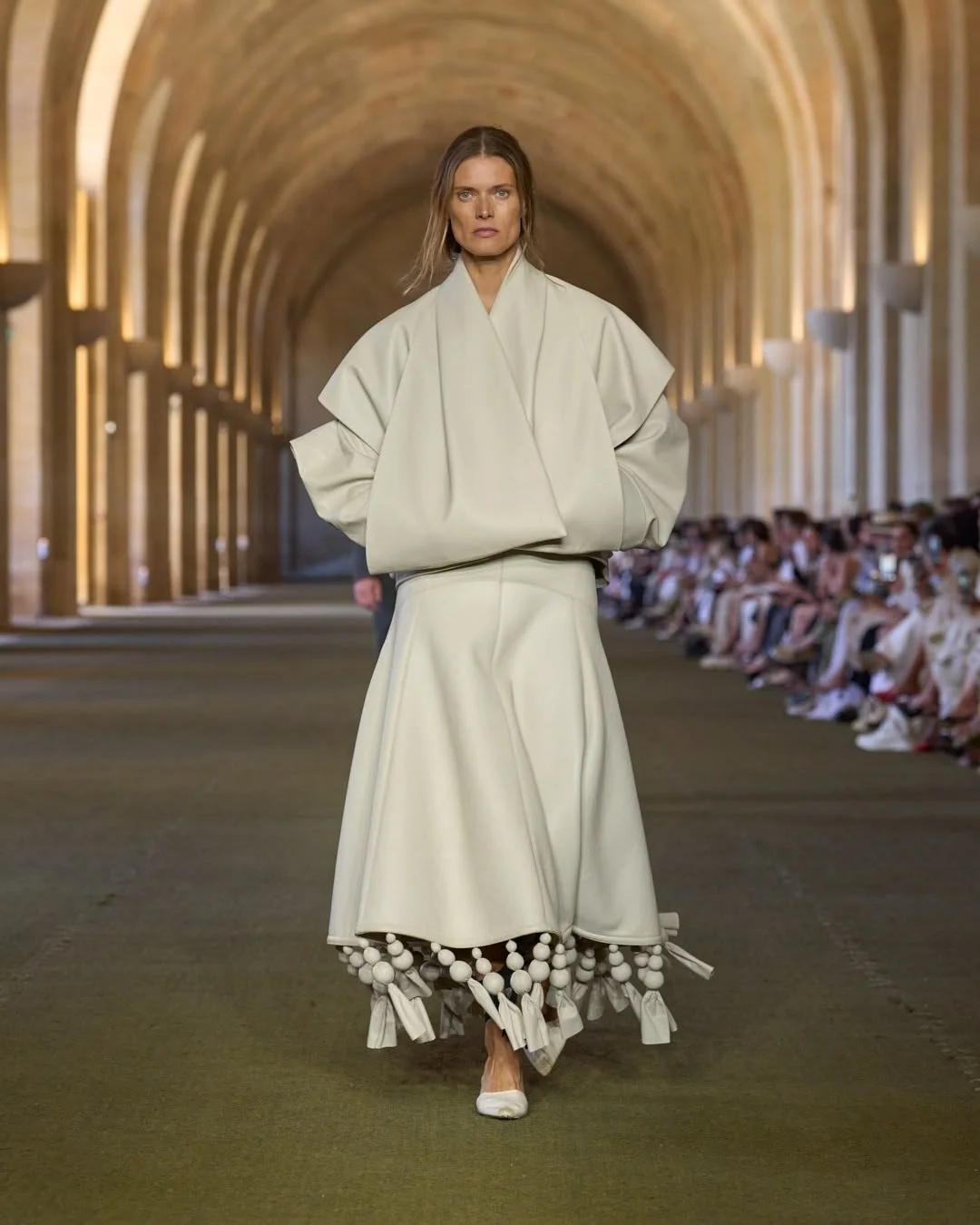
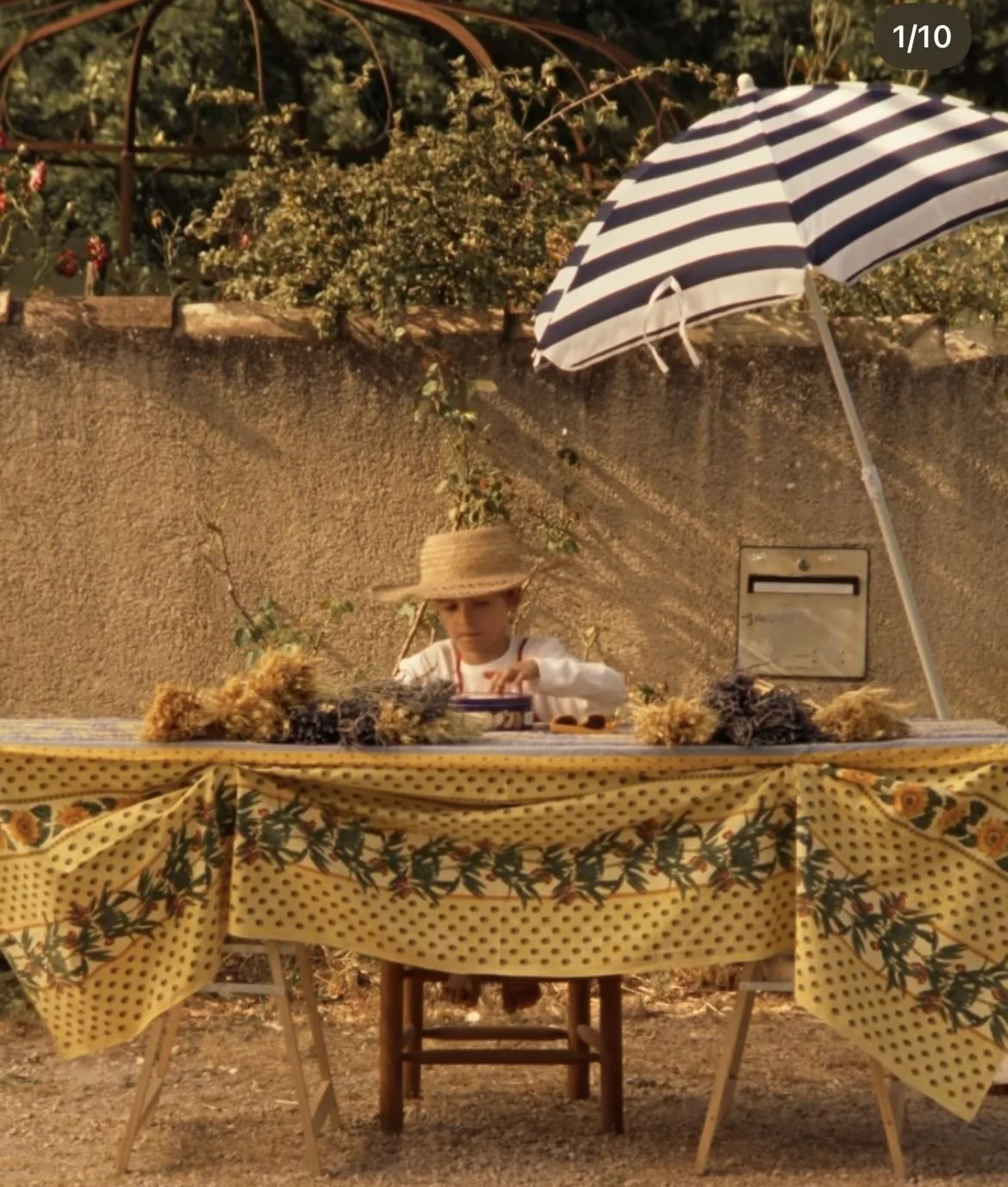
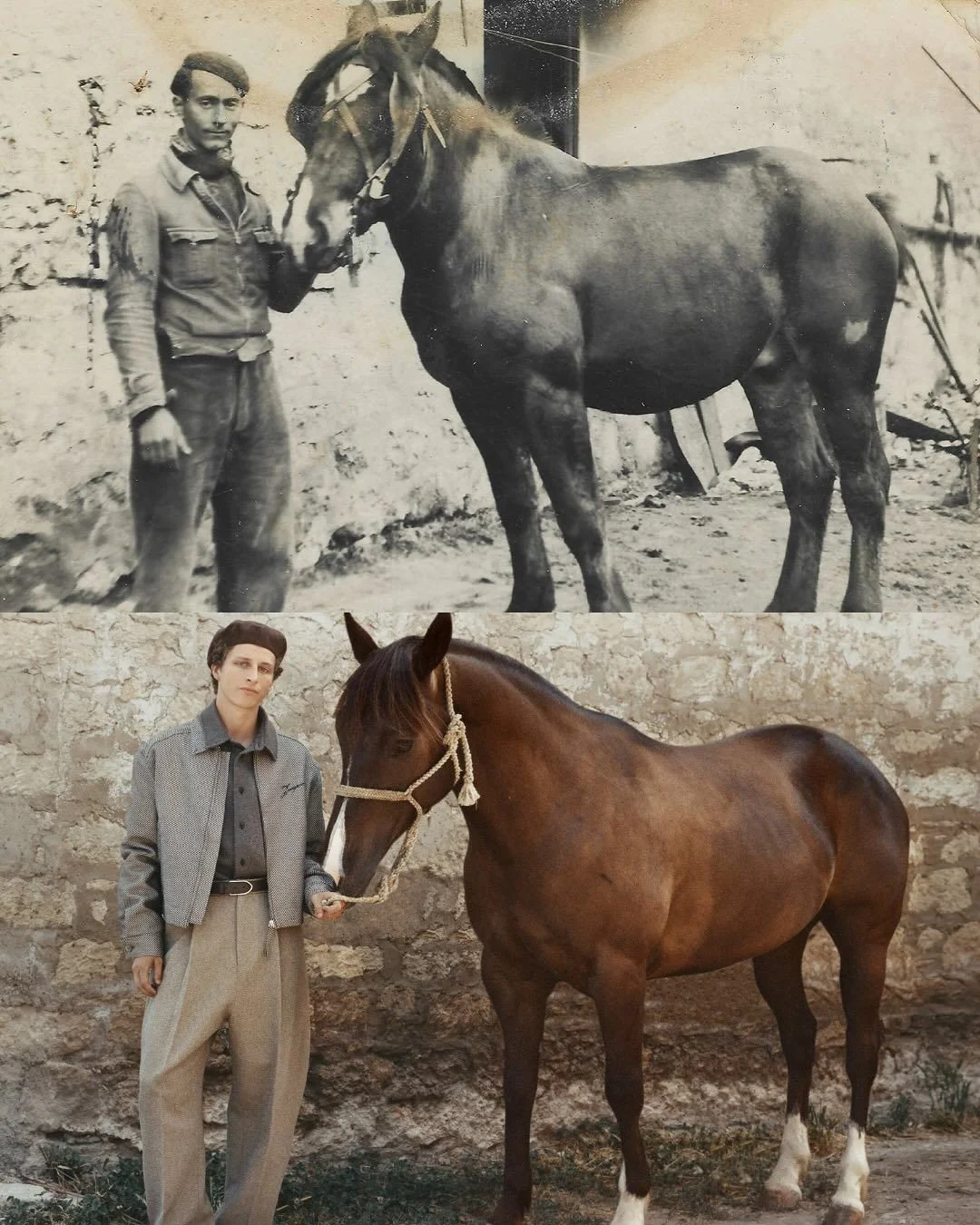
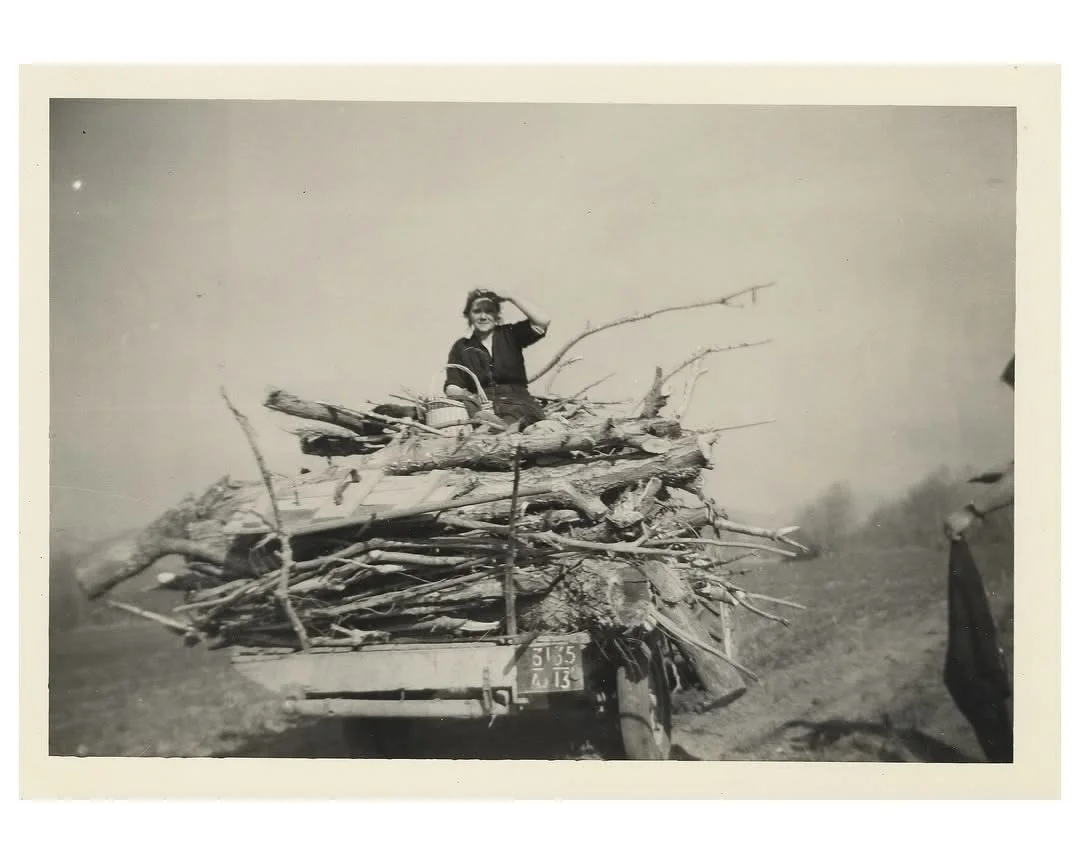
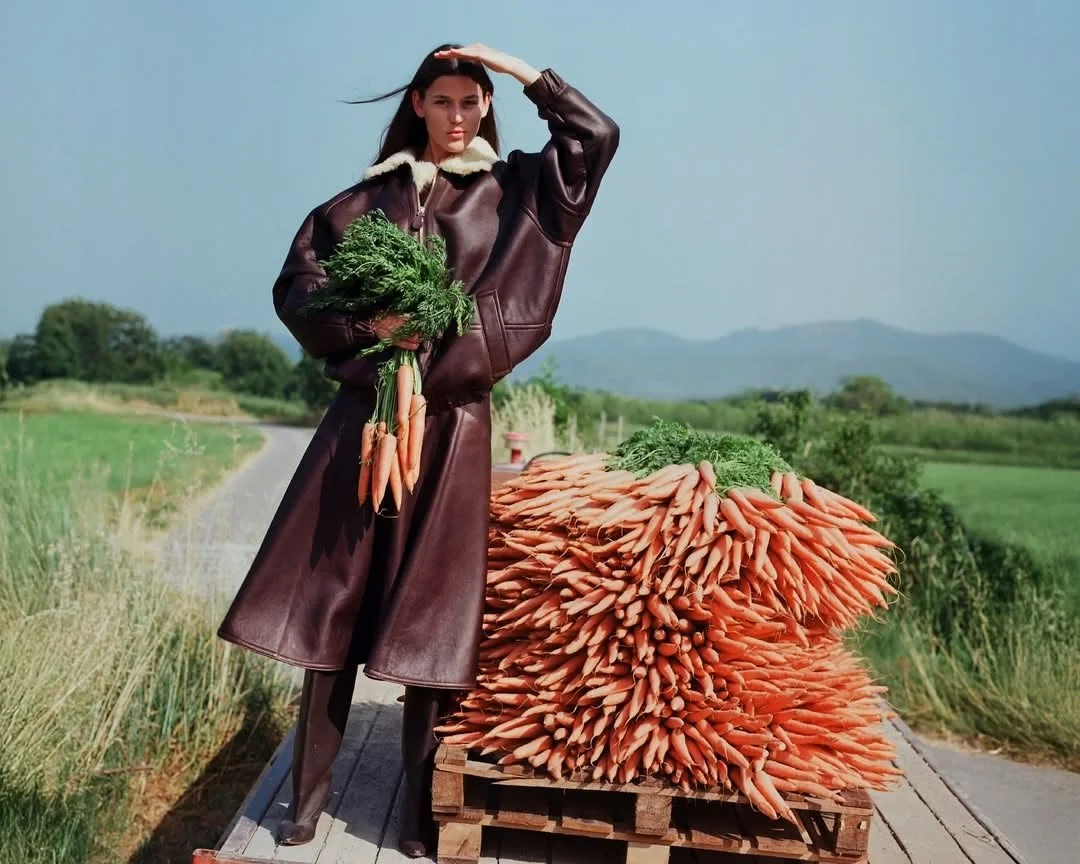
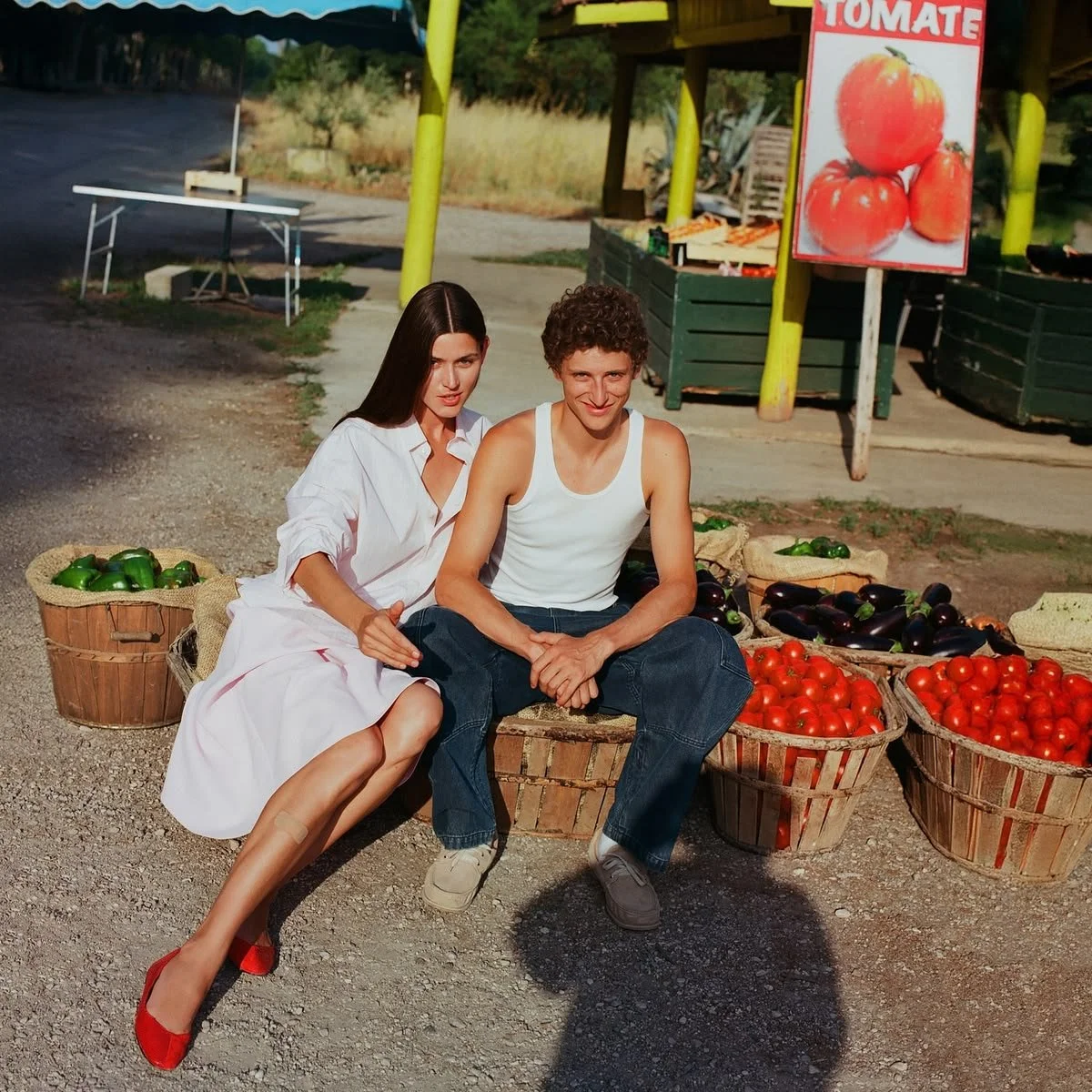
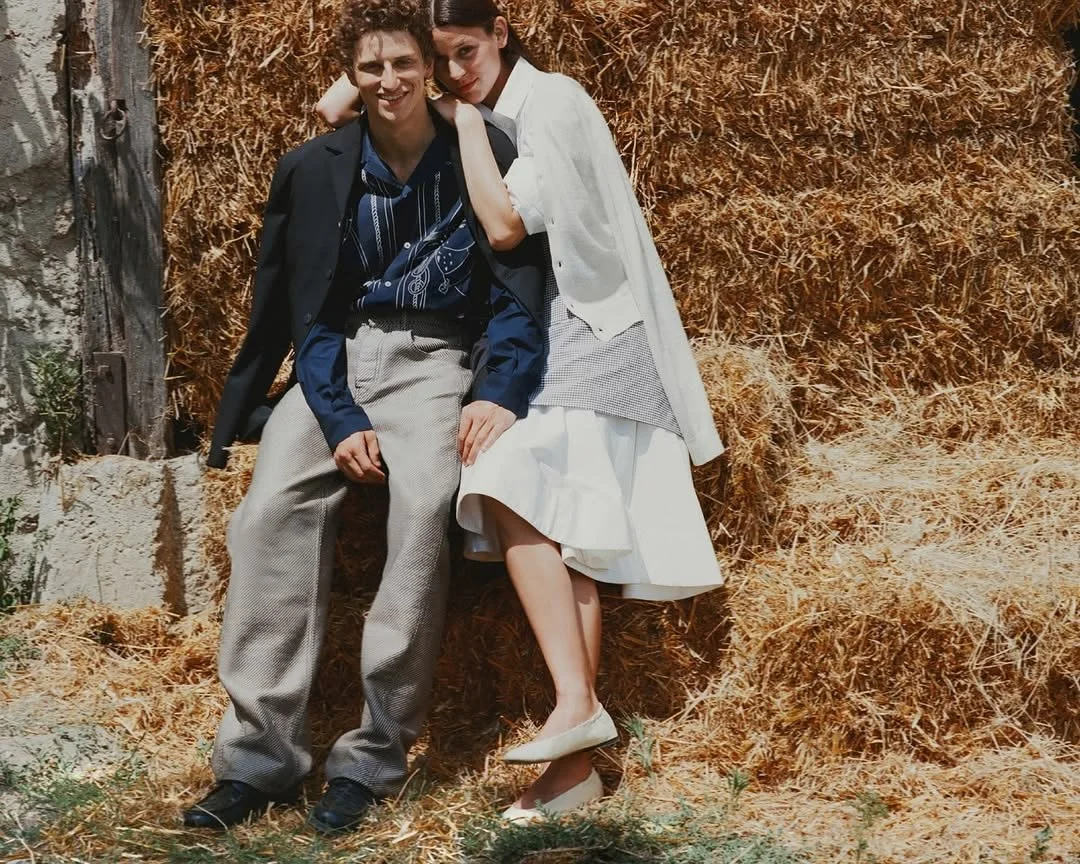
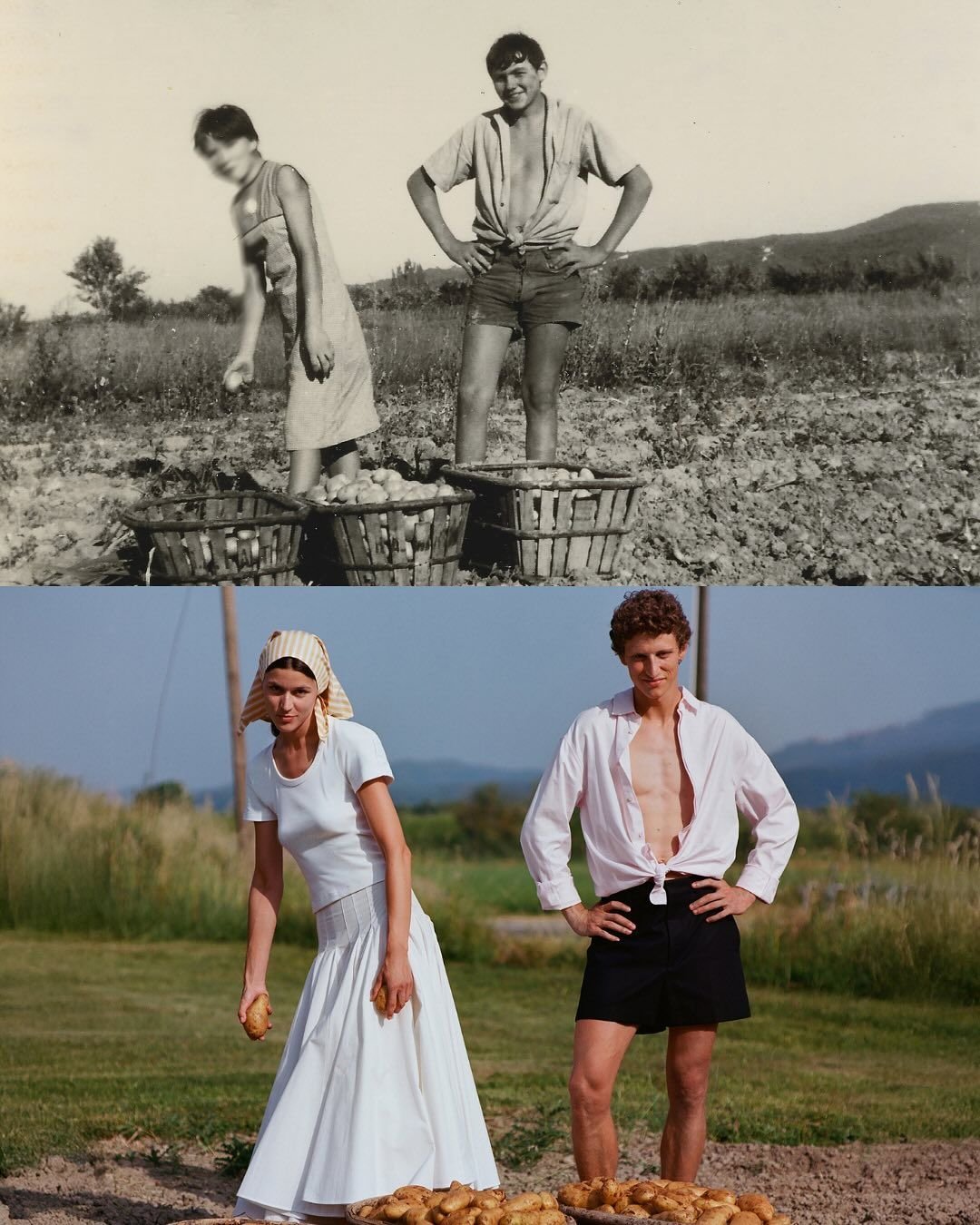
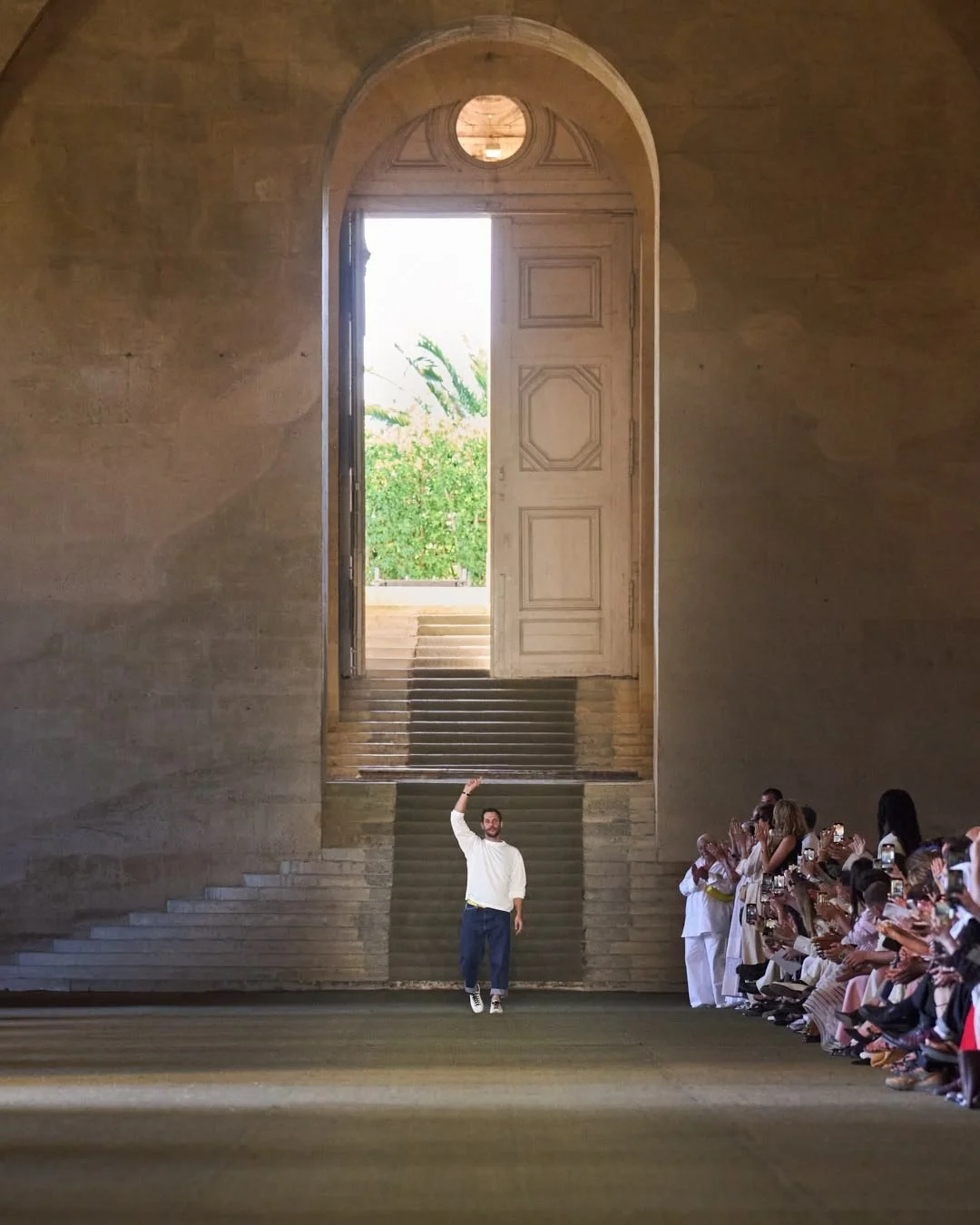
No brand has brought the garden, the farm, and the harvest into modern luxury quite like Jacquemus. Simon Porte Jacquemus grew up in Salon-de-Provence in a farming family, carrots on one side, artichokes and spinach on the other. That background shows up clearly in his SS26 collection Le Paysan (The Peasant), staged at L'Orangerie du Château de Versailles, a space originally built to protect and grow fruit trees for the château. The setting says it all. This collection is about land, family, and the beauty of simple things, told in a way that still feels elevated and modern. A love letter to rural life.
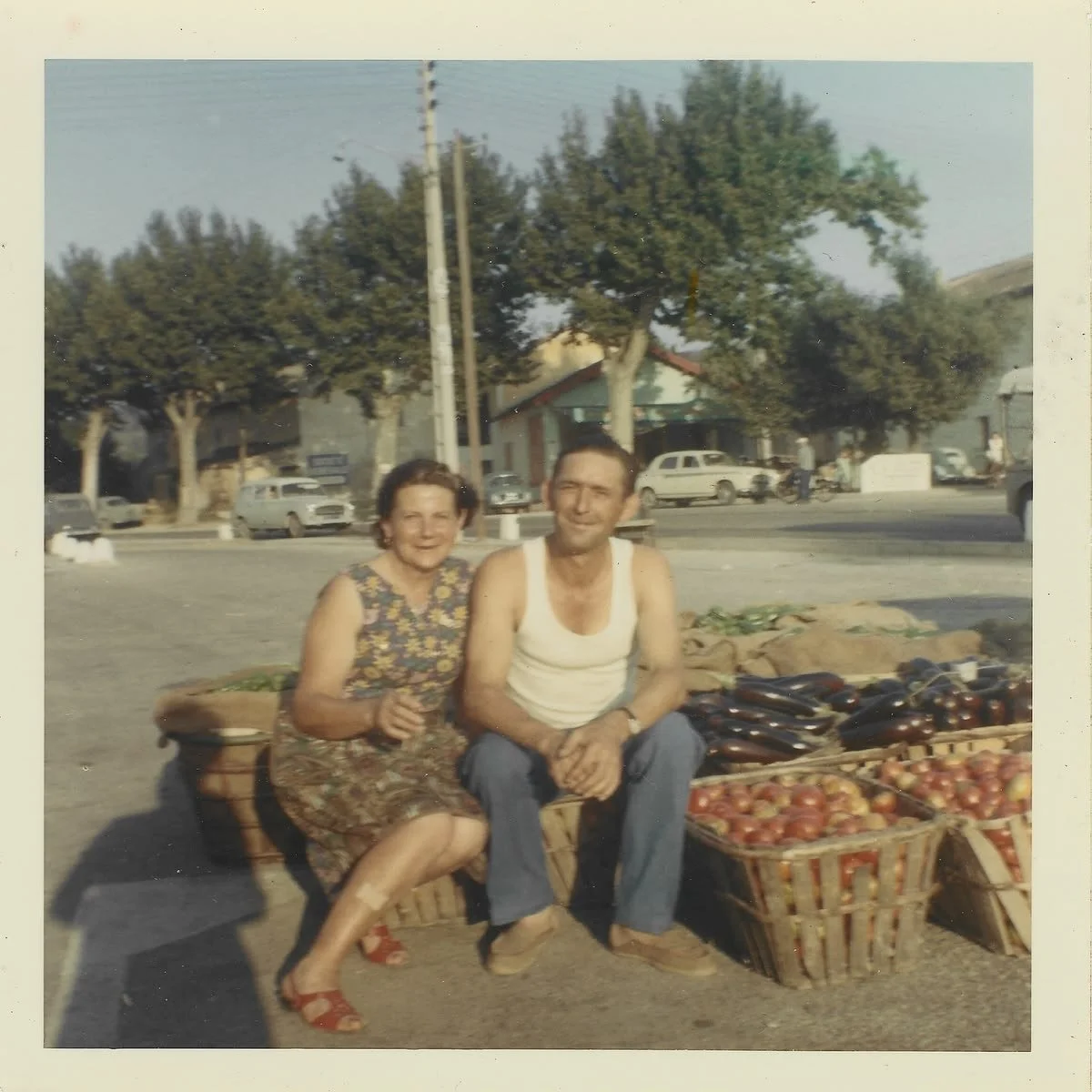
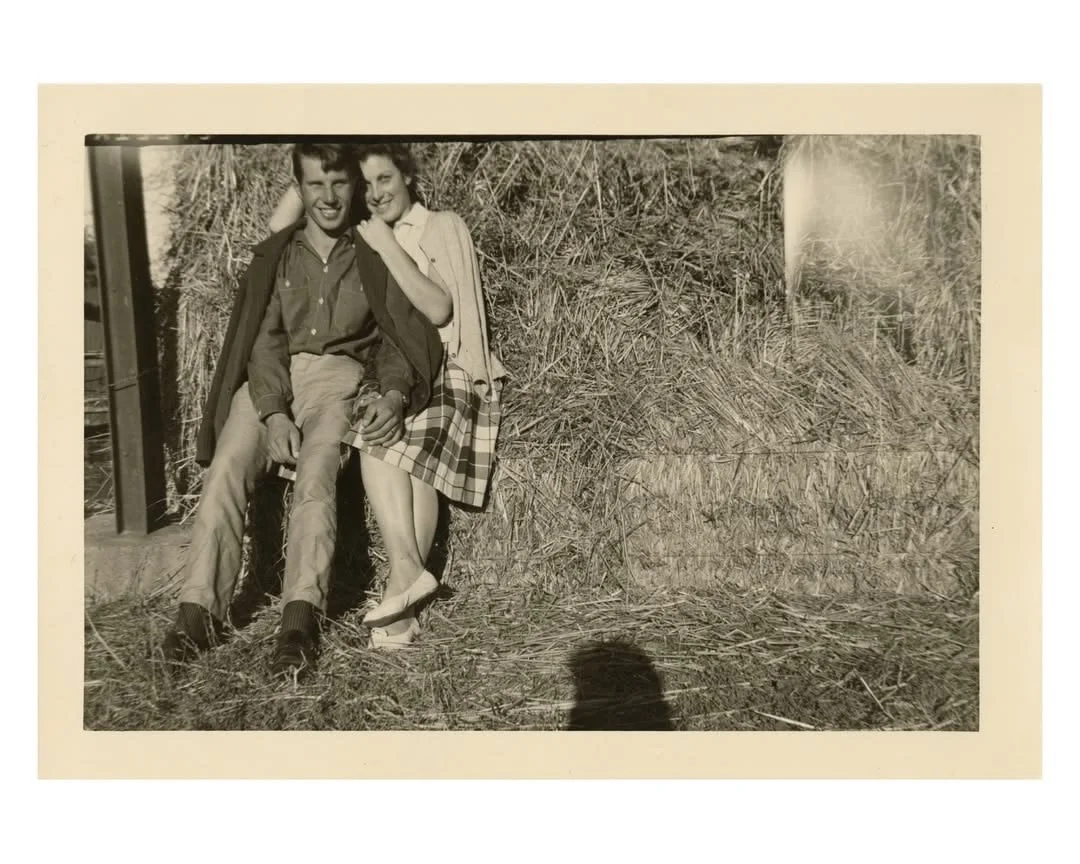
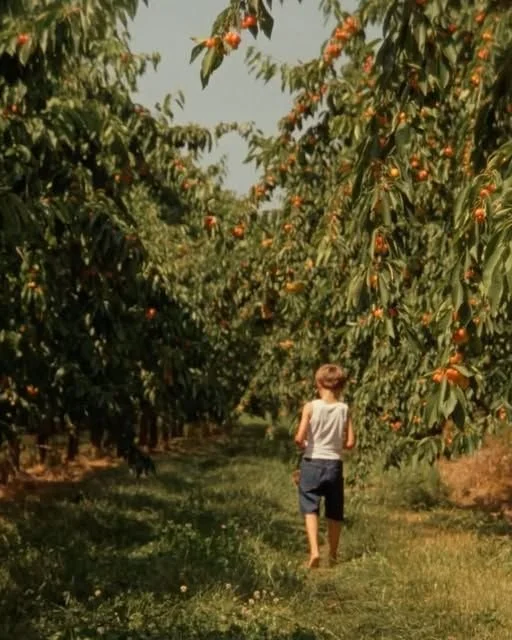
The campaign felt especially personal. Shot in warm, golden light with a slightly grainy, old film feel, it pulled directly from his childhood, recreating family photographs. A boy in a straw hat at a table covered in flowers. A mother getting ready. Linen dresses in everyday moments. Beans being prepped for lunch. Right before the campaign launched, he shared a real photograph of himself in almost the exact same pose — this wasn’t obscure references, this was his.
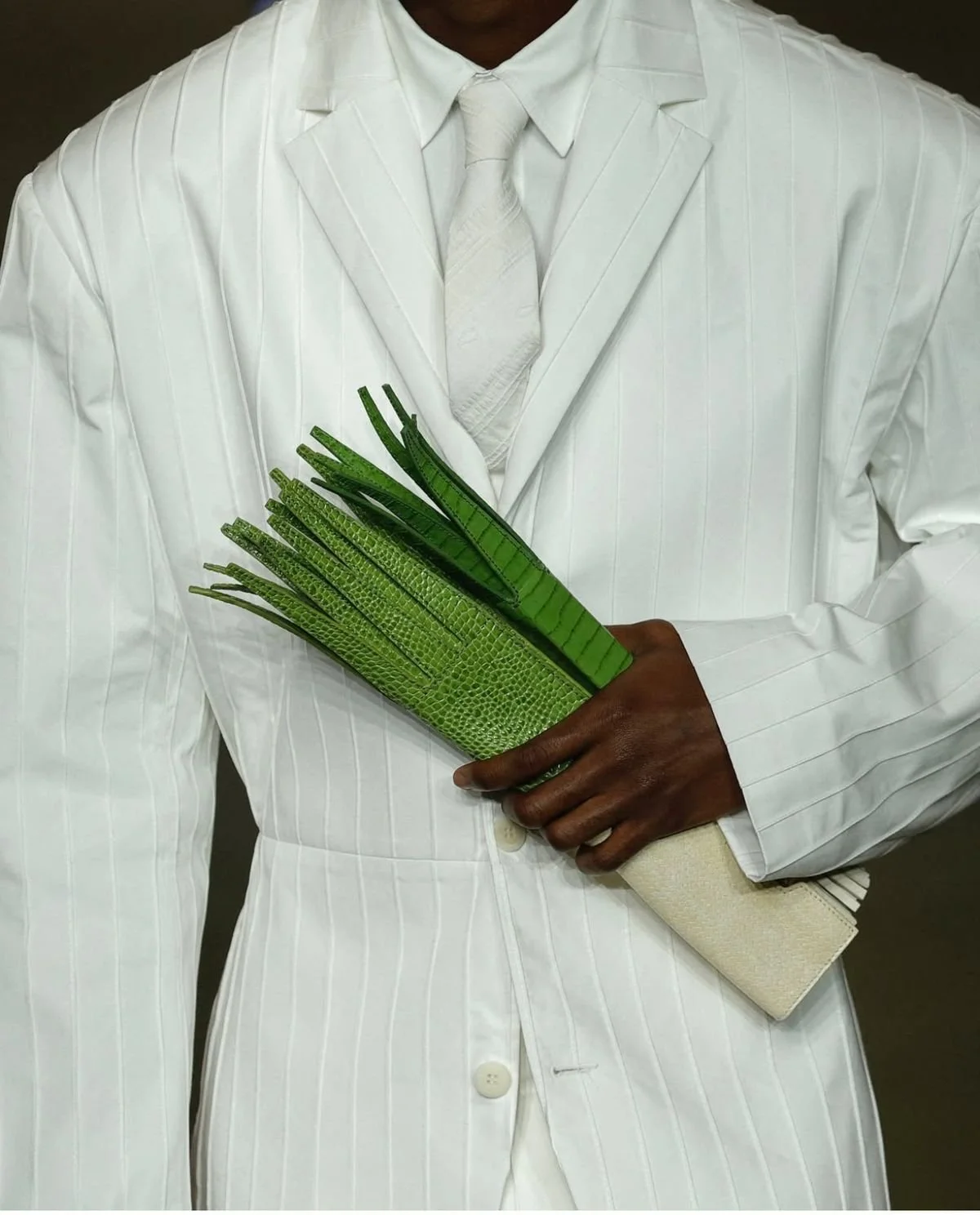
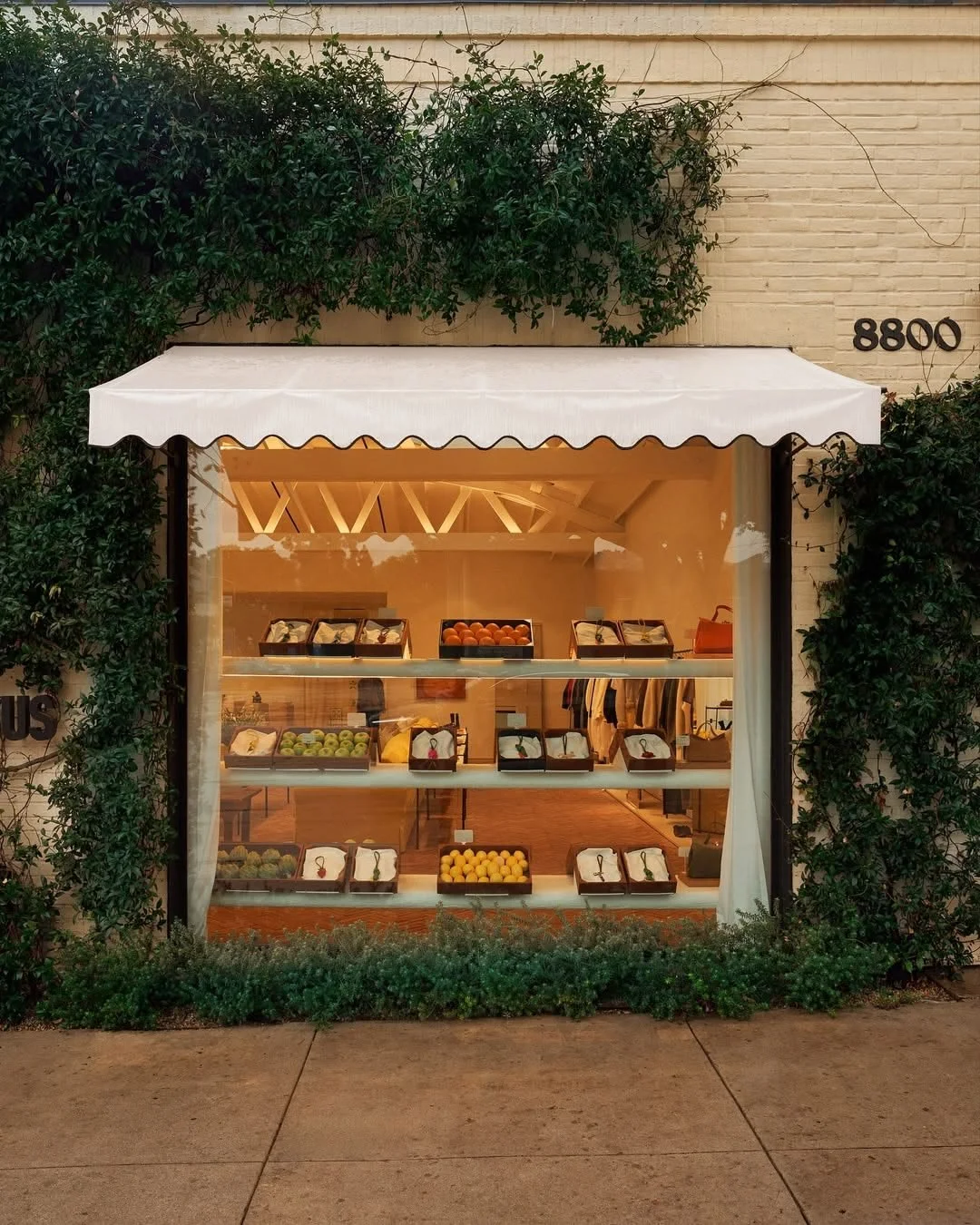
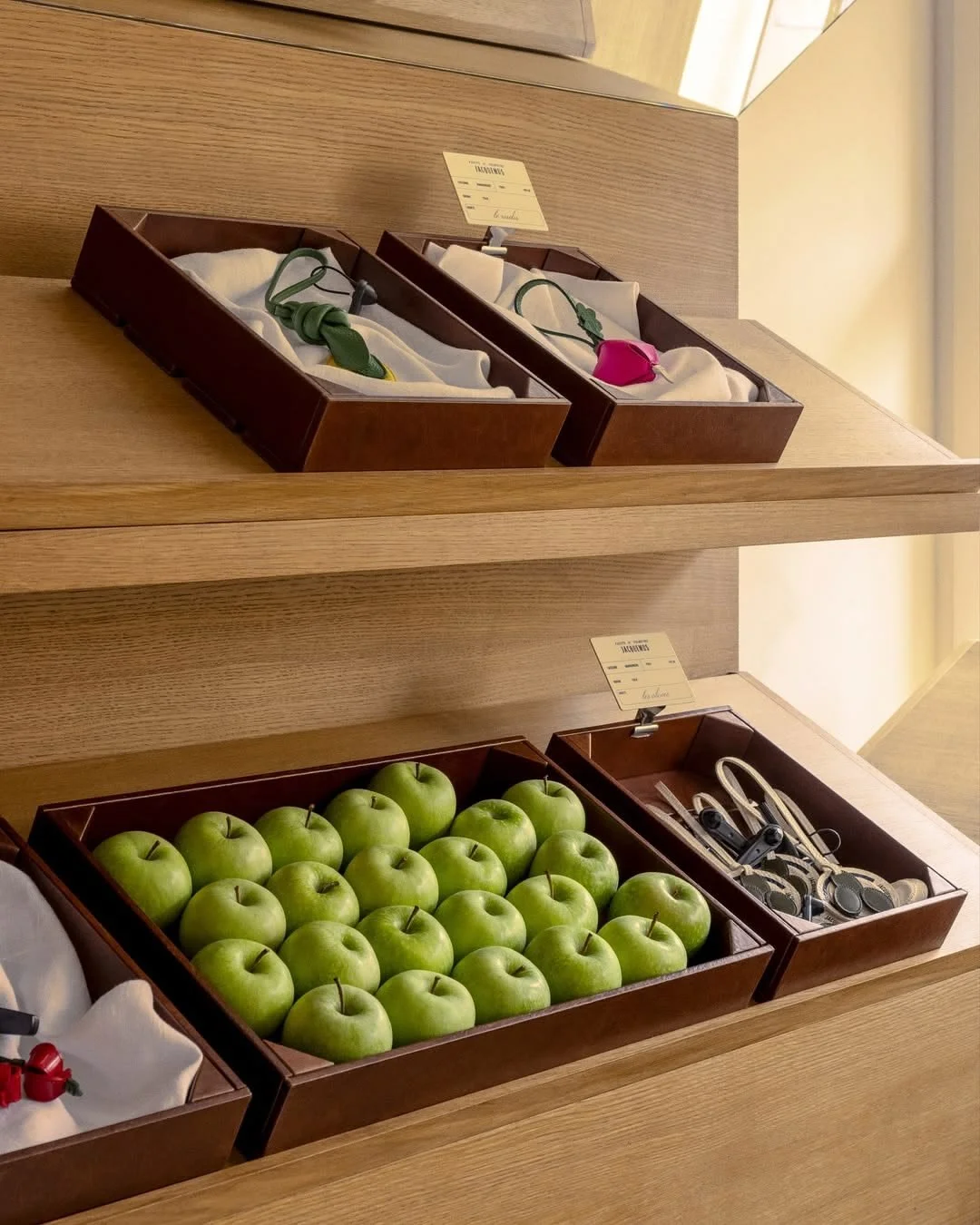
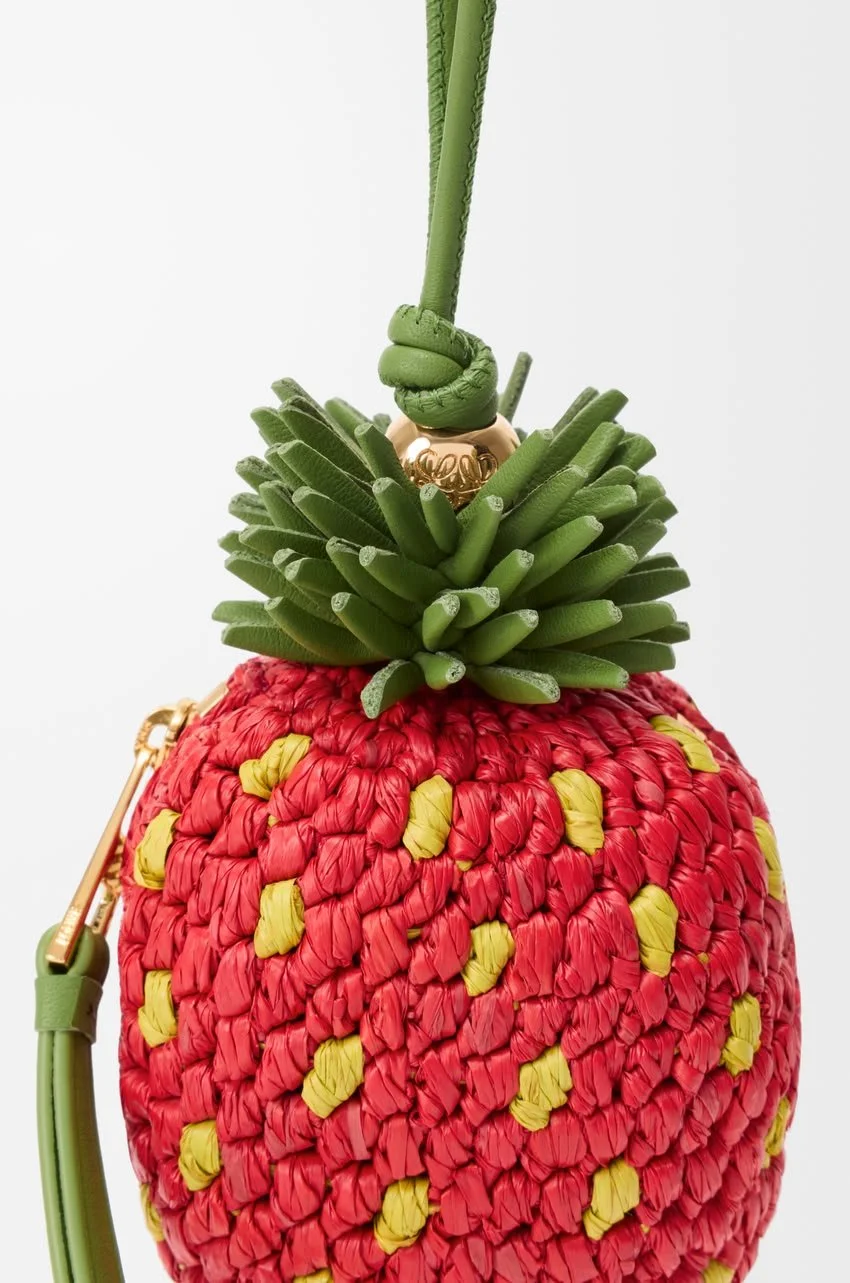
The accessories made it literal. Leather charms shaped like lemons, carrots, strawberries, garlic, and cherries hung off the new Le Valérie bag, named after his mother. In stores, crates of real produce filled the space, alongside personalized stations. The market stall and the luxury boutique became the same space.
What Jacquemus does so well is make origin feel like luxury. Not as a concept, but as something you can hold.
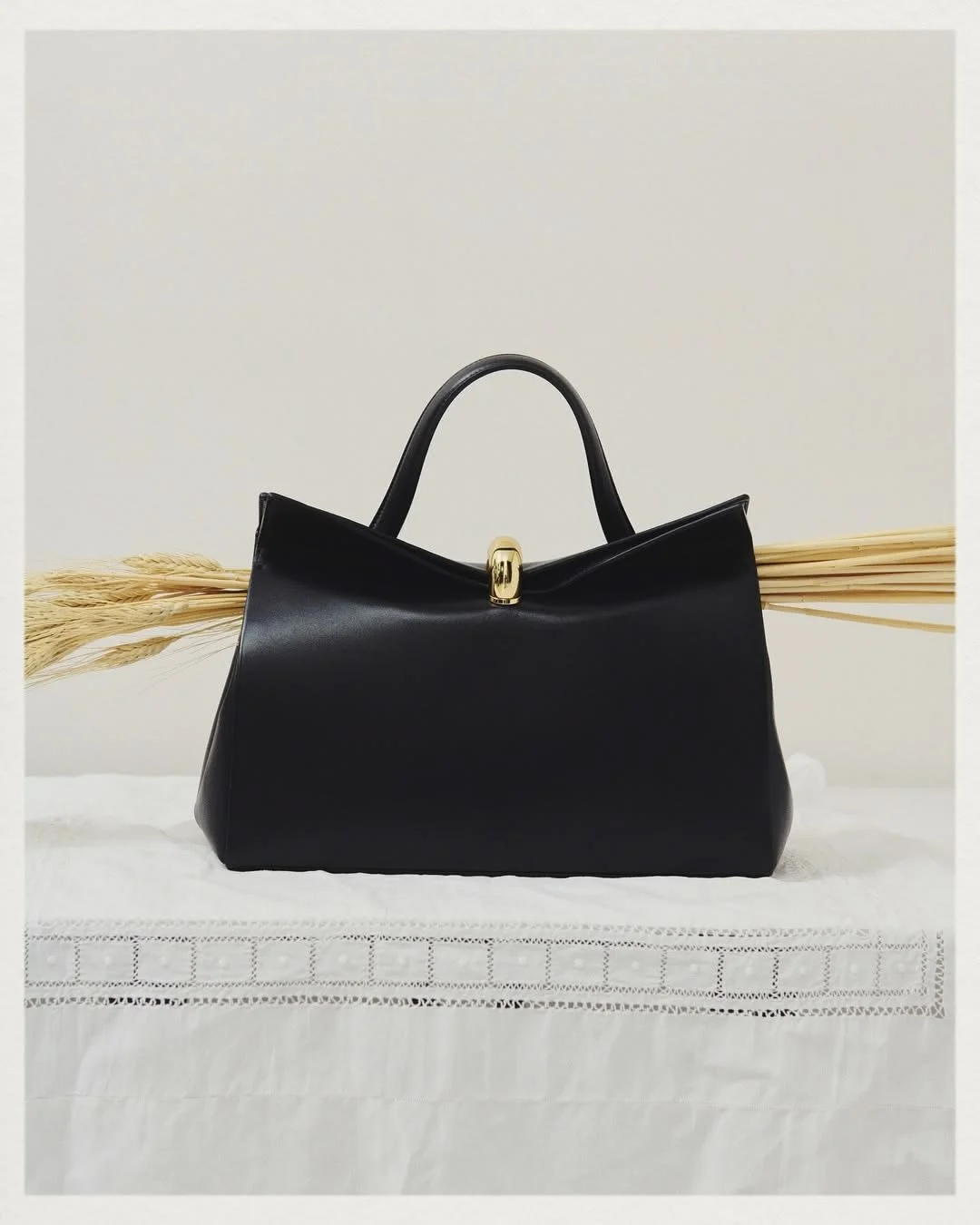
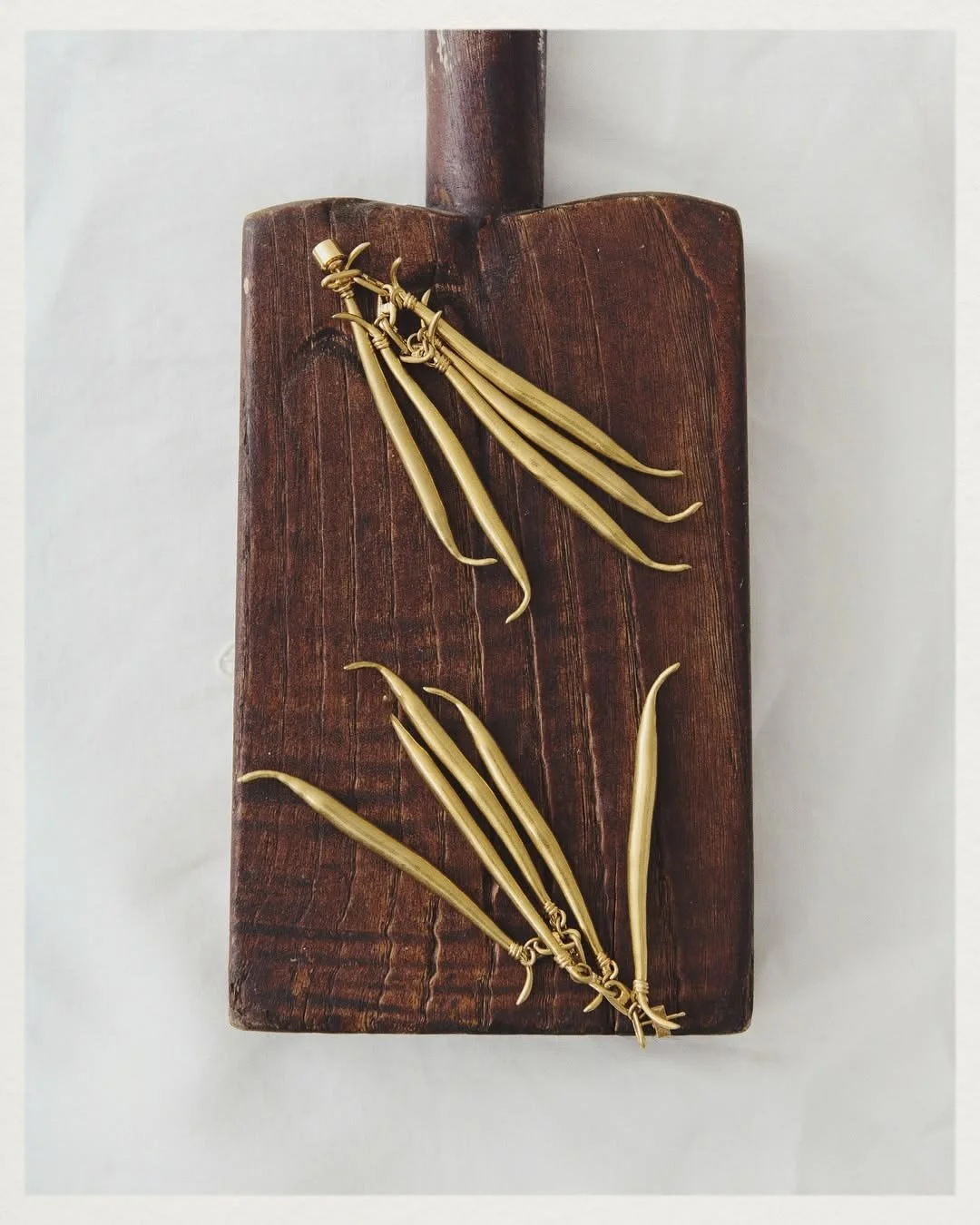
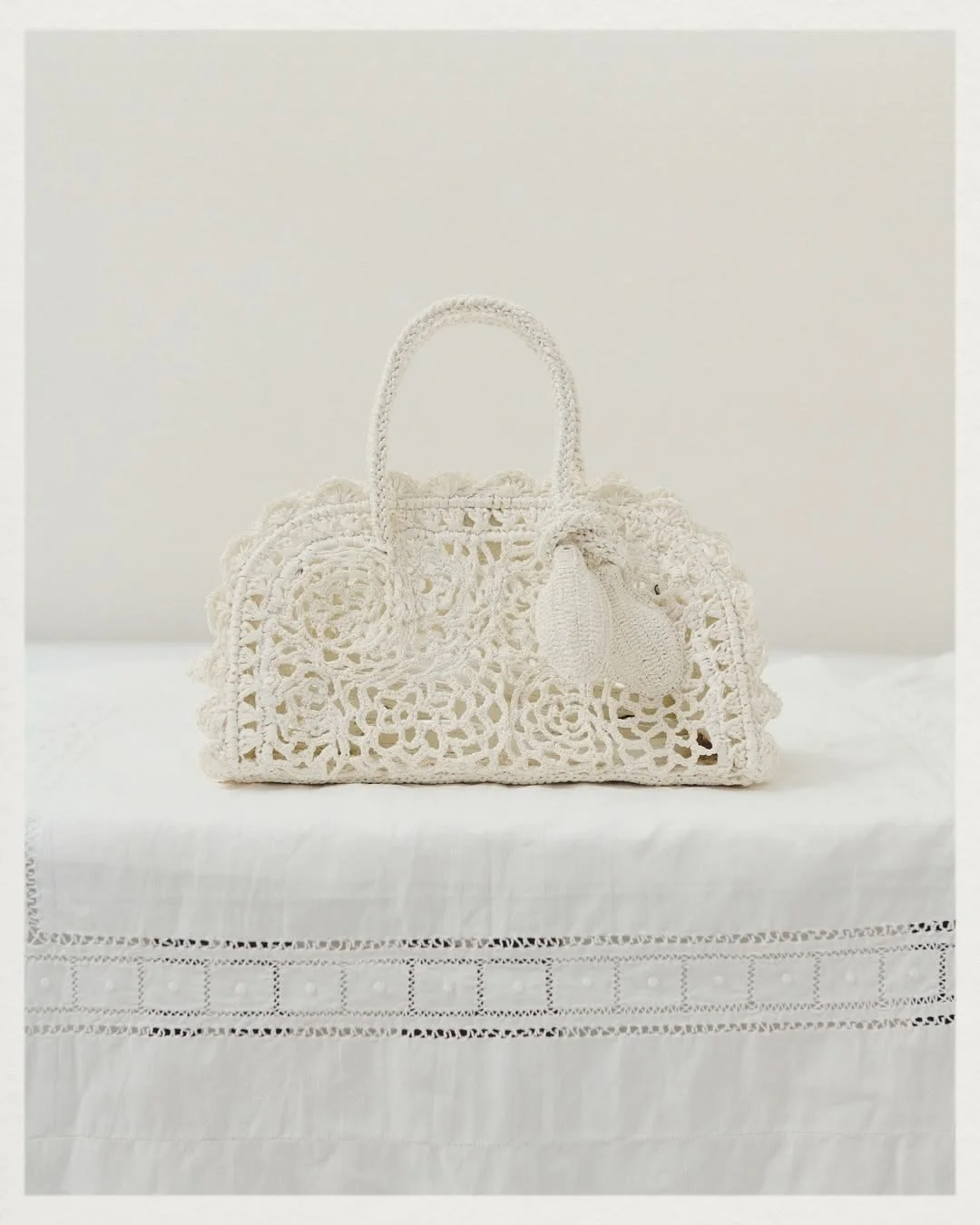
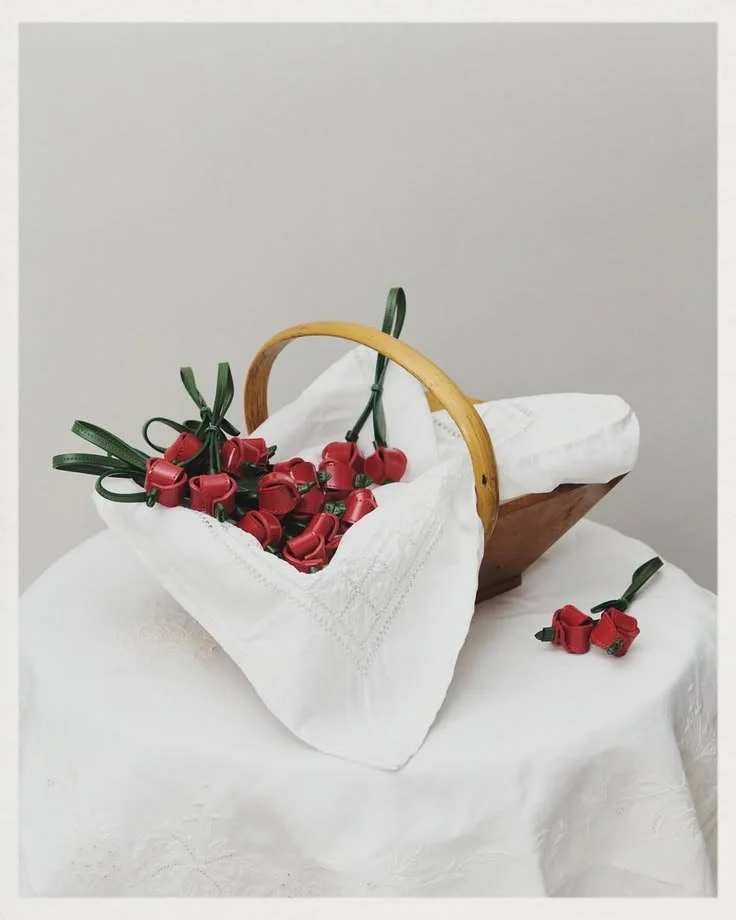
#4 Loewe and the Surrealist Garden
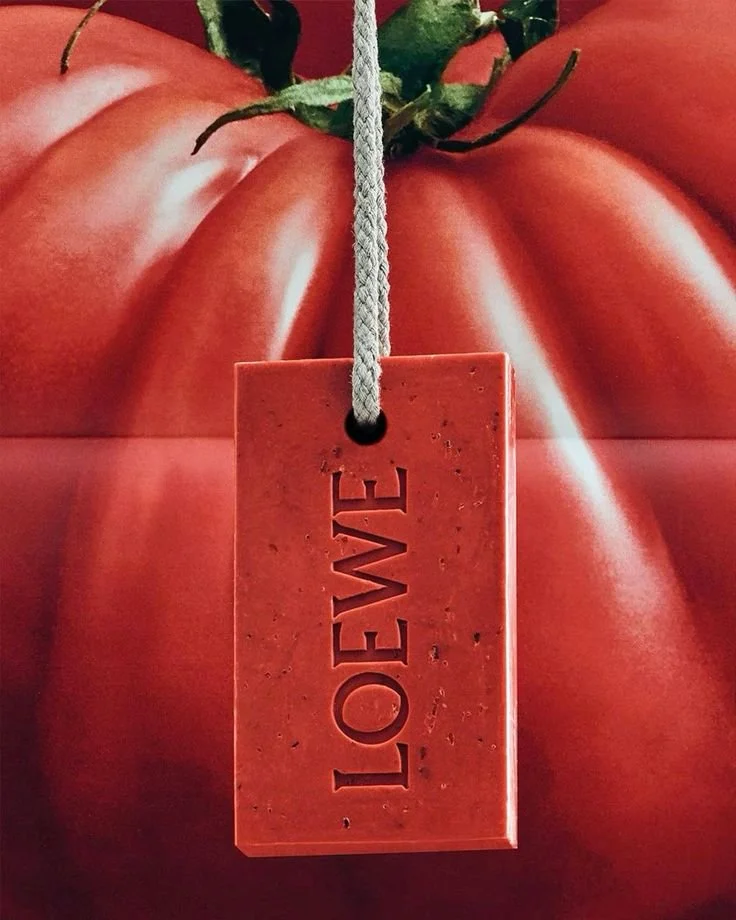
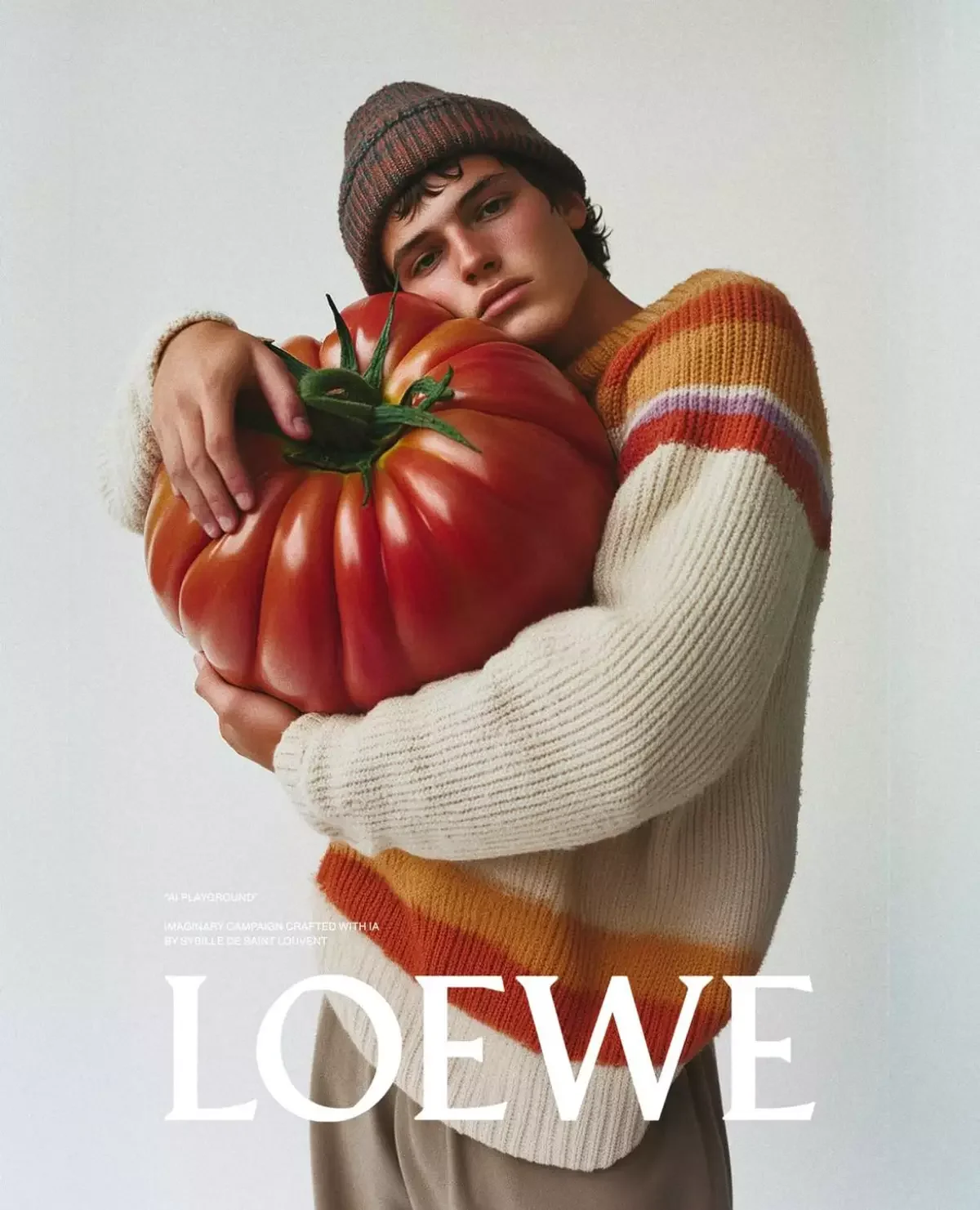
If Jacquemus comes at the garden through memory, Loewe comes at it with surrealism. Nature becomes slightly uncanny, a little humorous, and completely elevated. The premise is simple: take something ordinary and treat it like it's extraordinary.
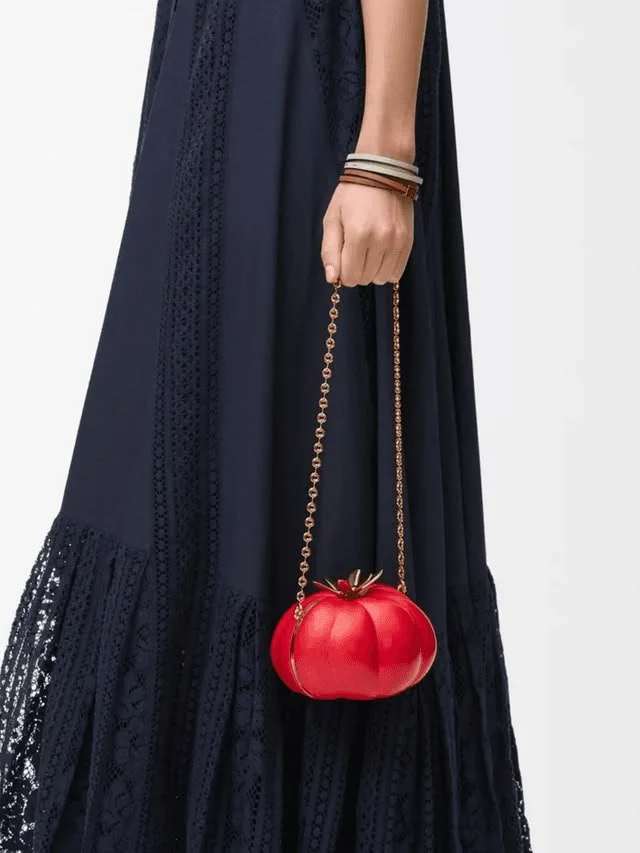
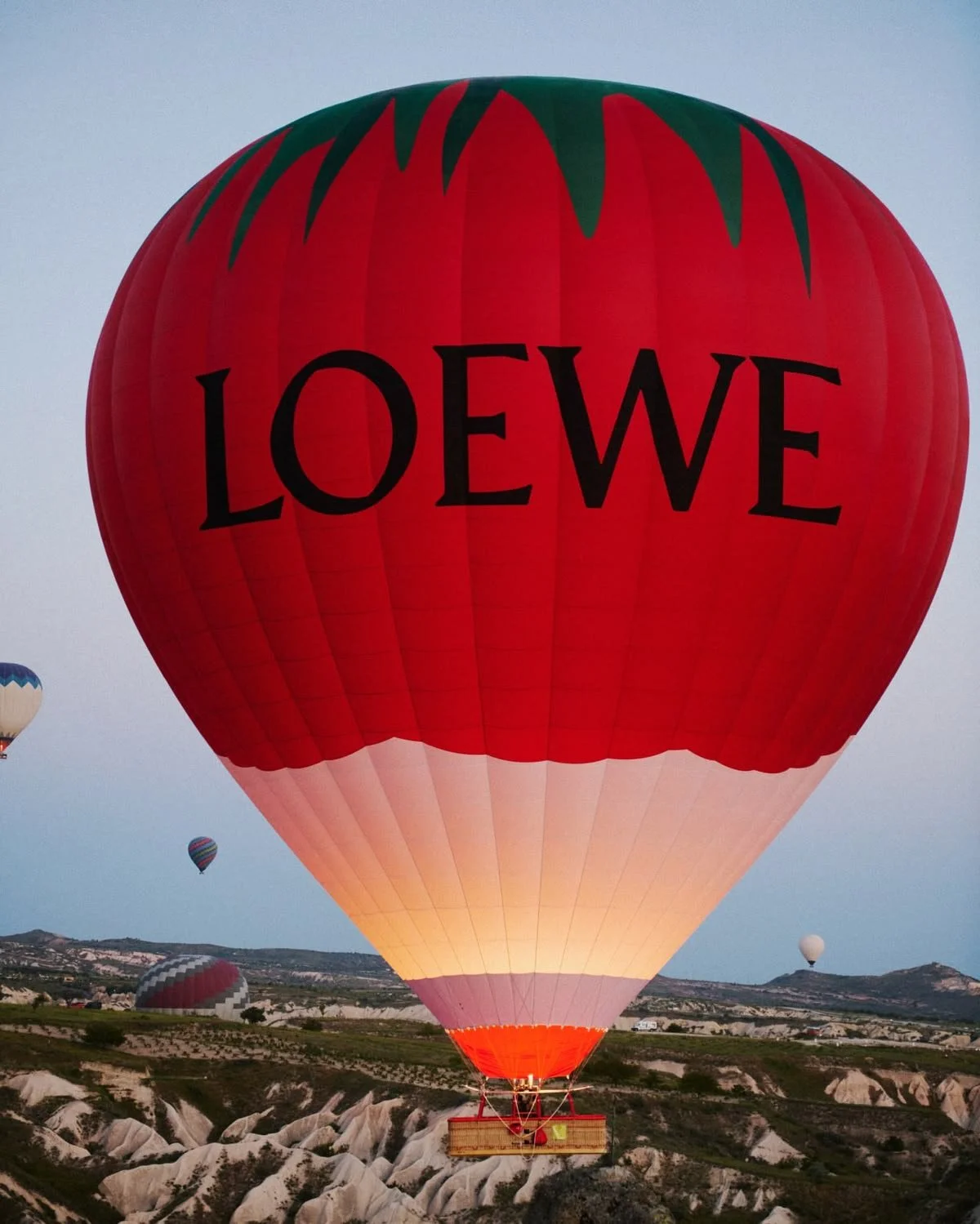
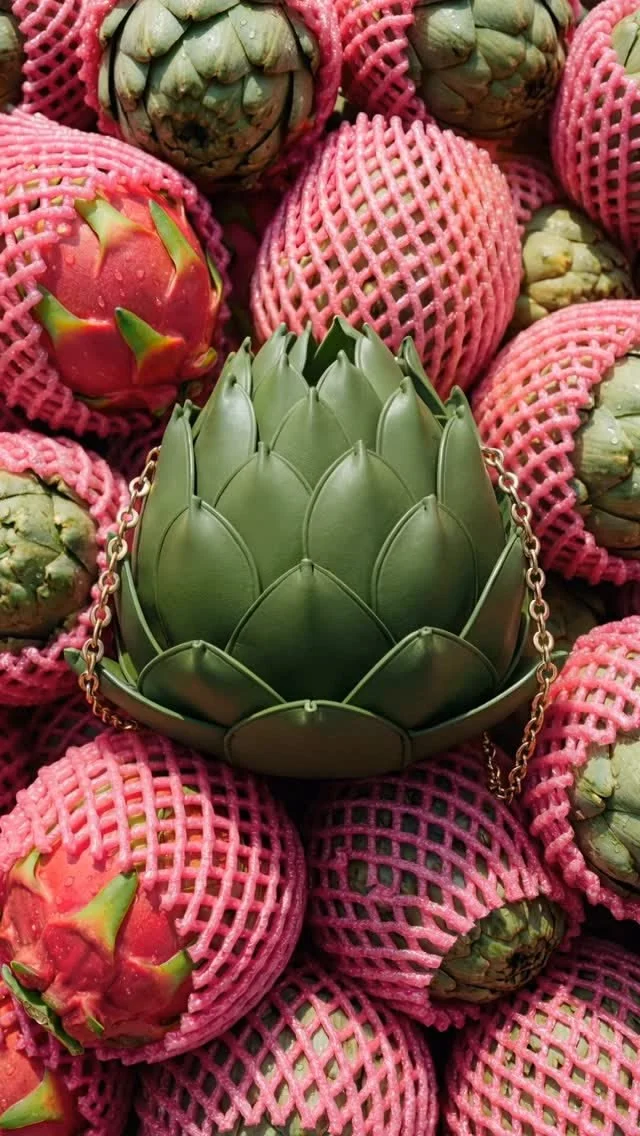
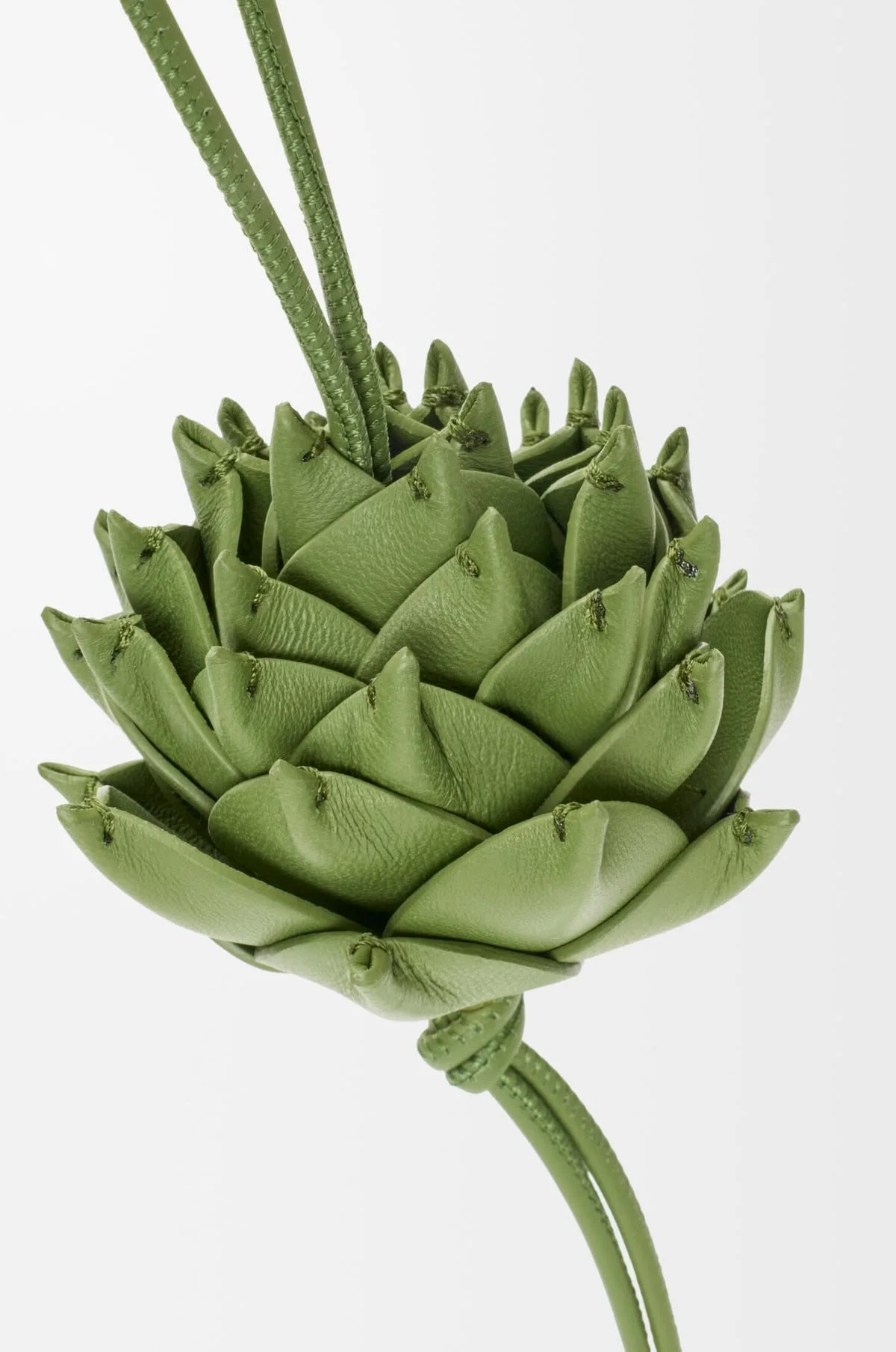
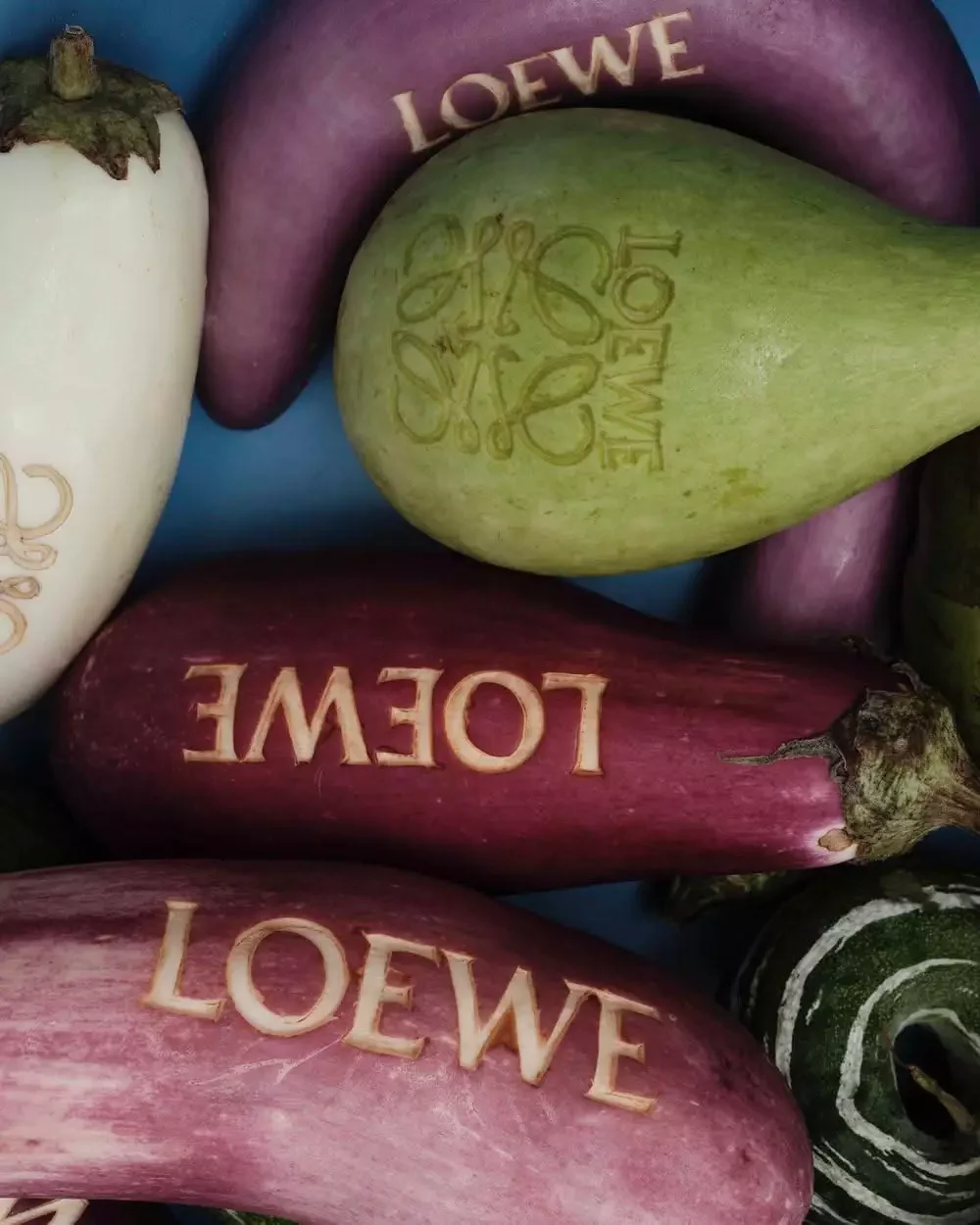
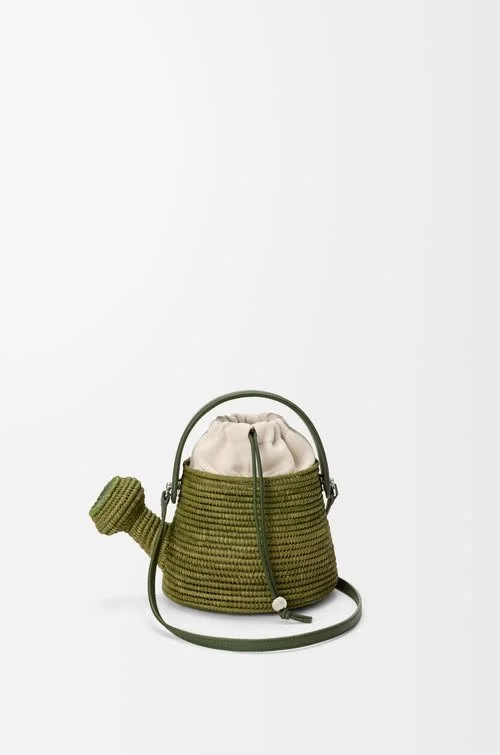
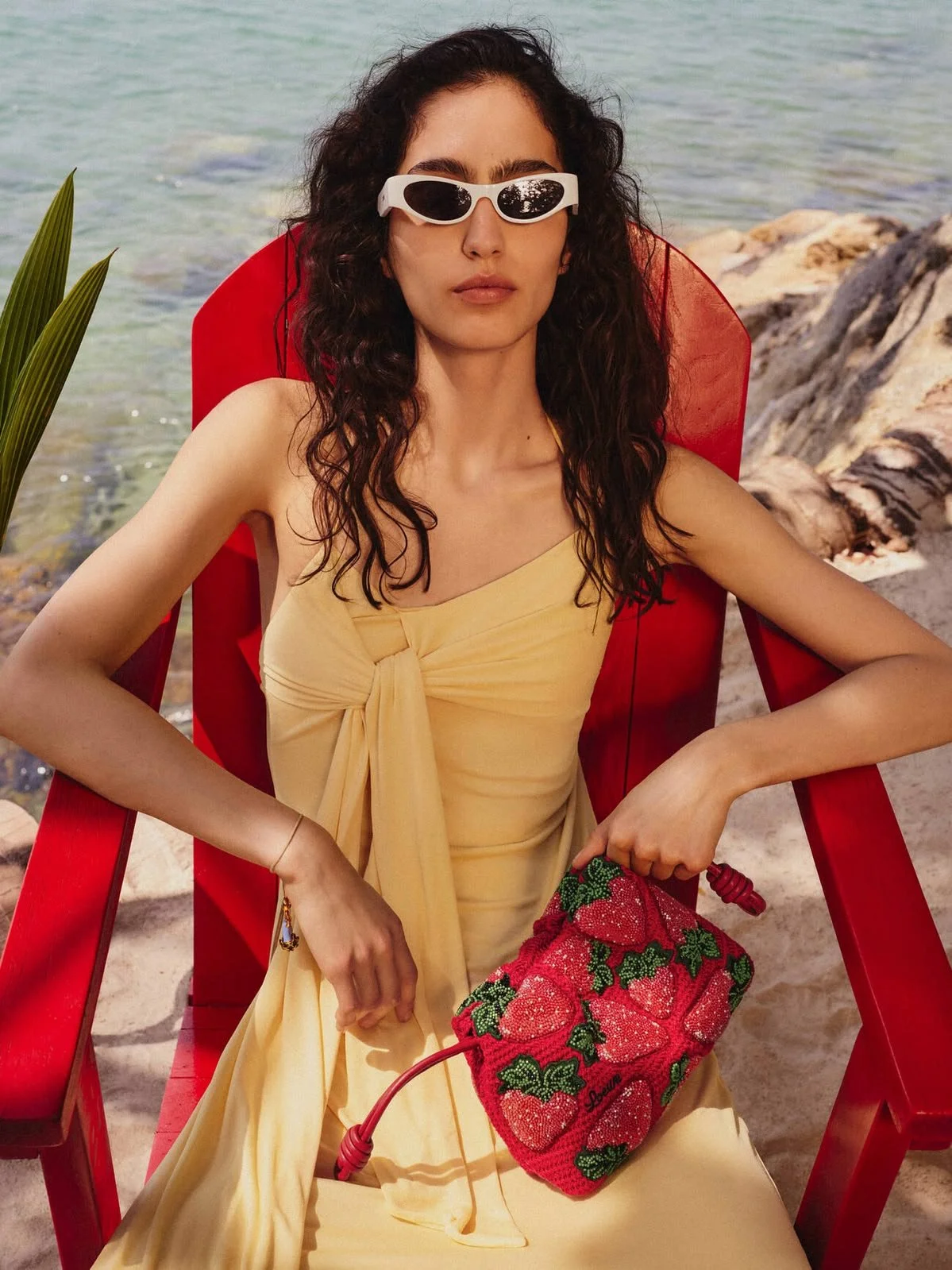
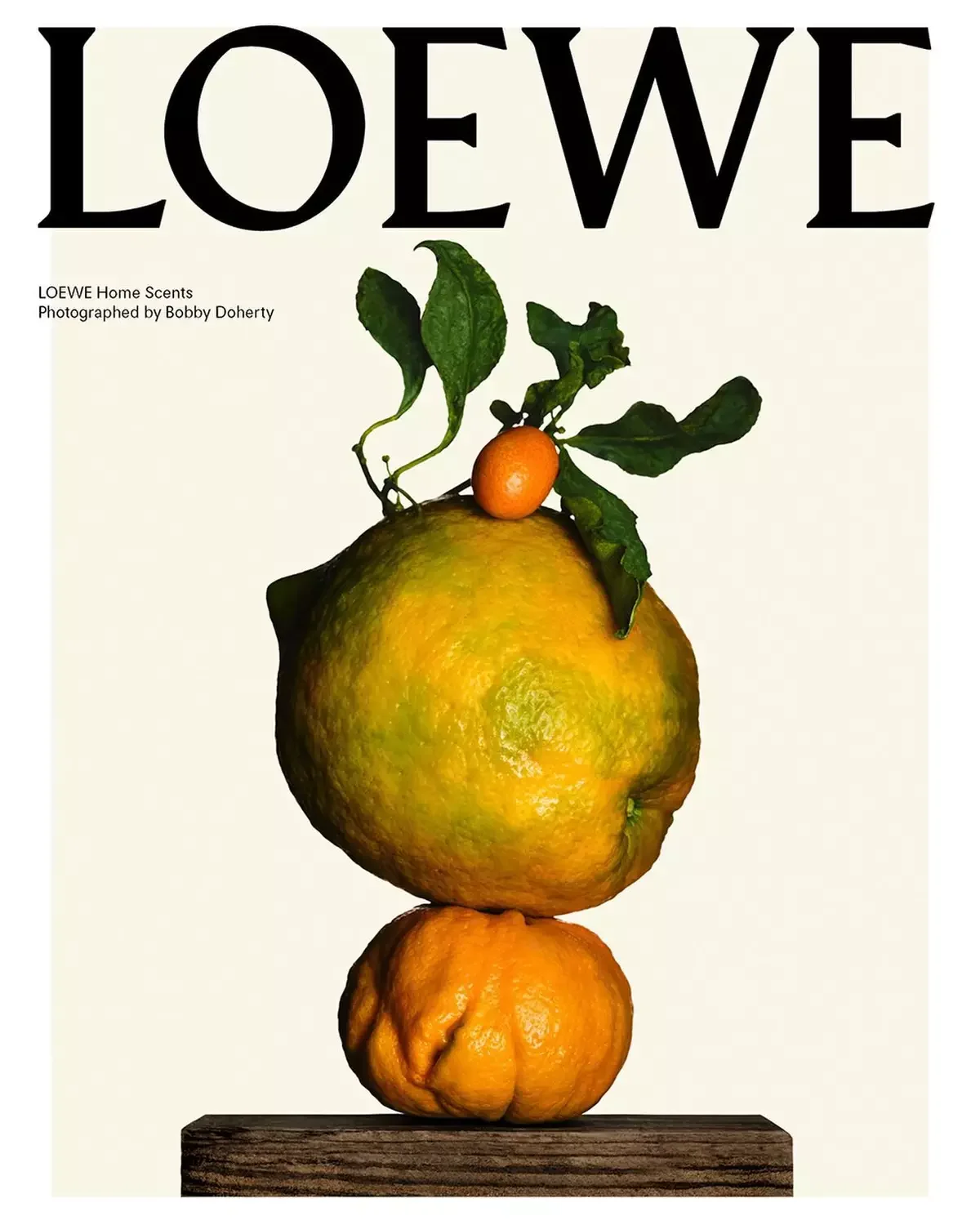
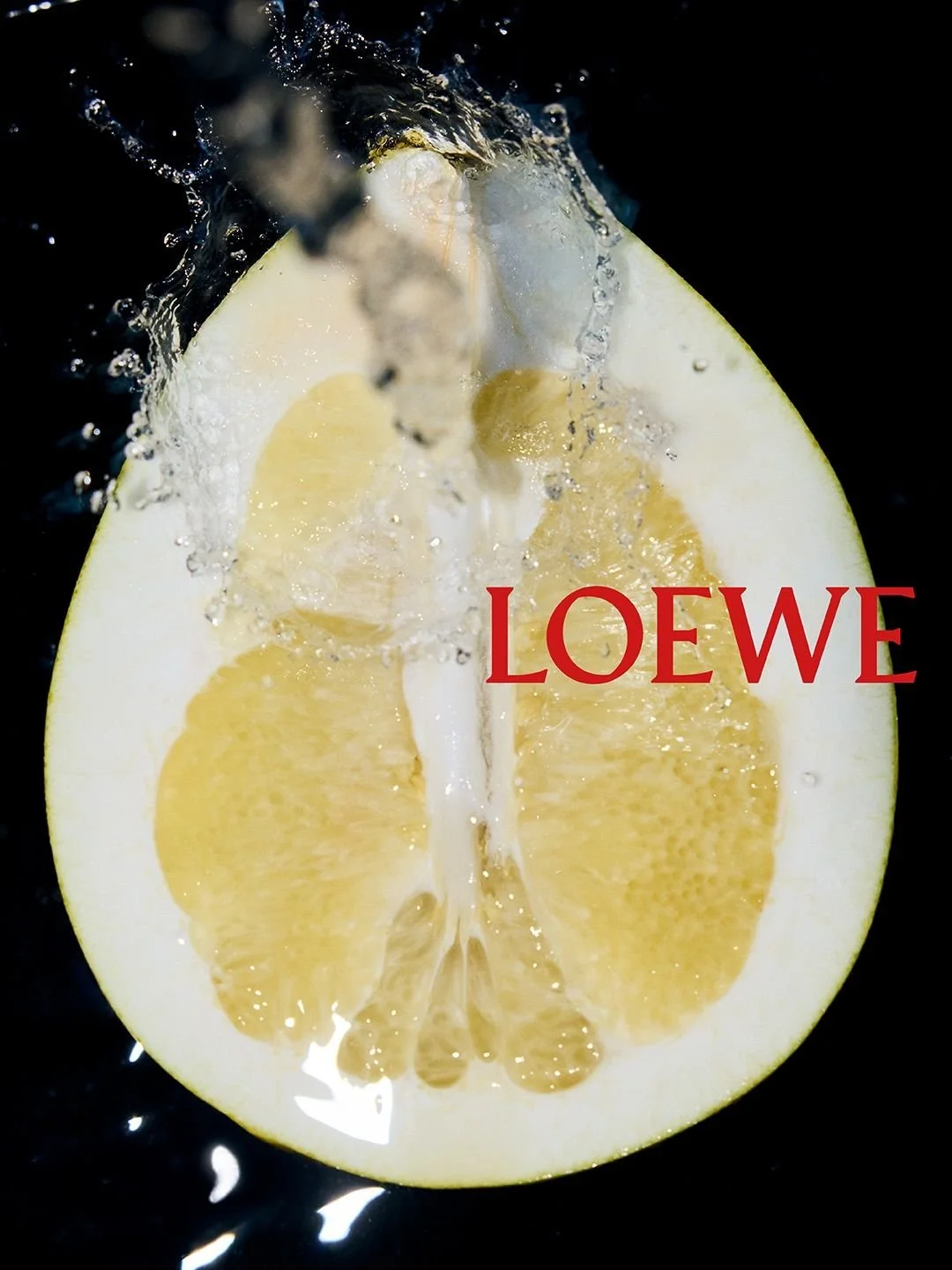
You see this in Paula's Ibiza, where artichokes appear on packaging and bees become leather charms. But the clearest example is the Tomato Clutch. Someone posted a photograph of a beautiful heirloom tomato and noted it looked like a Loewe bag. Anderson didn't just respond — he made it real. A molded nappa leather clutch shaped exactly like a tomato, curves and all, the stem acting as the clasp. A tomato-shaped hot air balloon floating over Cappadocia. This has continued under Jack McCollough and Lazaro Hernandez creative lead with the leather artichoke purse. Campaign images pairing bags with produce like surreal still lifes. Fashion and the garden were already speaking the same visual language. Loewe just followed it through.
Garden Society doesn't have to be earnest. It can be witty, a little absurd, and still completely considered.


Why it matters
Garden Society is a value system. A turning away from the digital and instantly gratifying, toward something that requires presence, patience, and care.
The strongest work here comes from somewhere real. Jacquemus didn't reference a vague idea of Provence — he referenced his family's carrot farm, his mother's name, his actual childhood. Anderson didn't gesture at water lilies, he built a greenhouse around them. Pamela Anderson didn't adopt a garden aesthetic. She went home and grew one.
That specificity is what people are responding to. There's more intention behind what we choose to wear, live with, and invest in. People want to know where something came from, who made it, what it holds beyond the surface. In a world where almost anything can be generated and scaled instantly, the traceable and the deeply considered carry a different weight.
For designers this is both an invitation and a raised bar. Garden Society asks not just what your work looks like, but what it means. Not just what you're referencing, but what you're actually connected to. The prints, the palettes, the textures can all be beautiful. But the ones that resonate are the ones that feel like they grew from somewhere. Like someone tended them into existence.
What we nurture nurtures us back.